If you've been diagnosed with polycystic ovary syndrome, or suspect you might have it, you may have woken up today to some big news: PCOS has been officially renamed polyendocrine metabolic ovarian syndrome, or PMOS, following a landmark global consensus study published in The Lancet. The name is new. The condition is the same. But this change is anything but cosmetic.
Key Takeaways
→PCOS is now officially PMOS — polyendocrine metabolic ovarian syndrome — as of May 12, 2026
→The rename is medically significant, not just semantic: it reframes the condition as a full-body hormonal and metabolic disorder, not an ovarian one
→Diagnosis rates may finally improve — the old name caused widespread dismissal of patients who didn't present with cysts, leaving up to 70% undiagnosed
→Your approach doesn't change overnight, but the framing does and better framing leads to better care
→At Beli, we've been ahead of this curve. Our whole-body, couple-centered approach to fertility has always treated hormonal and metabolic health as inseparable from reproductive health, because they are
"This renaming is the medical world finally catching up to what patients — and brands like Beli — have known for years: you can't support fertility in isolation from the rest of the body."
Why Is Everyone Talking About This Right Now?
If it feels like PCOS, now PMOS, has been everywhere lately, that's not your imagination. The condition has been gaining serious momentum in medical research, social media, and women's health advocacy for several reasons, and the rename today is really the culmination of a much bigger wave.
The numbers are growing fast. From 1990 to 2021, global cases increased by 56% in incidence and 59% in prevalence. Among women of childbearing age, prevalence rose by 89% over that same period. That's not a blip, that's a generational shift.
Modern life is a contributing factor. High-calorie, high-fat, and high-sugar dietary patterns are closely associated with obesity and insulin resistance, both key risk factors. Urbanization, increased fast food consumption, and pollutant exposures all play a role. The way most of us live today creates the exact conditions in which this condition thrives.
The obesity epidemic is amplifying it. Women with obesity have two to three times the risk, and insulin resistance affects approximately 60% of patients.
We're finally getting better at diagnosing it. Diagnosis rates have increased significantly, driven by enhanced medical resources, greater awareness of women's health, and updated diagnostic criteria. That's progress, but it also means many women who went undiagnosed for years are only now getting answers.
The wellness and femtech movement gave it a platform. Women began sharing their experiences, connecting symptoms they'd been told were unrelated, and demanding better answers from their doctors. That cultural shift helped push the medical establishment toward this moment.
And now, the rename has made it impossible to ignore. More than 50 global organizations and 14,000 patient voices were involved in this process. PMOS is no longer a niche reproductive issue. It's a mainstream public health priority and it's about time.
Know Your Body: Signs You Might Have PMOS
Because up to 70% of cases go undiagnosed, many women are living with PMOS without knowing it — attributing their symptoms to stress, diet, or just "the way they are." Here's what to look for.
The key thing to understand is that you don't need all of these symptoms and you don't need ovarian cysts. A doctor diagnoses PMOS if a patient meets just two of three criteria: irregular periods, signs of high androgen levels like acne and extra hair growth, or elevated androgen levels in the blood. This is exactly why so many cases go missed.
What to Ask Your Doctor
Walking into a doctor's appointment with the right questions changes the outcome. Here's what to bring up, especially now that the condition has a new name and many clinicians are still getting up to speed.
Start the Conversation
"I've been experiencing [symptoms] — could this be PMOS, formerly known as PCOS?"
"Can we rule out other conditions before diagnosing me?"
"I'd like to be tested even if I don't have visible ovarian cysts — is that possible?"
Ask About Testing
Total and free testosterone, androstenedione, DHEAS
LH and FSH levels and their ratio
Fasting insulin and fasting glucose
AMH (anti-Müllerian hormone) and TSH
Pelvic ultrasound to examine ovarian morphology and uterine lining
Ask About Your Specific Type
"Which type of PMOS do I have, insulin-resistant, inflammatory, adrenal, or post-pill?"
"How does my type affect my fertility specifically?"
"What does managing this look like for someone trying to conceive?"
Ask About the Full Picture
"Should I be screened for insulin resistance or pre-diabetes?"
"What are my long-term cardiovascular and metabolic risks?"
"What lifestyle, nutrition, and supplement strategies are evidence-based for my situation?"
Why the Name Changed
For decades, millions of people were told they had a syndrome defined by "cysts on the ovaries." The problem? Experts say the old name was misleading, since it suggests ovarian cysts are the main issue when they are not actually a defining feature.
For too long, the name reduced a complex, long-term hormonal disorder to a misunderstanding about "cysts" contributing to missed diagnoses and inadequate care. The new name recognizes that PMOS is not primarily a gynecological disorder, but a complex, multisystem condition involving endocrine, metabolic, reproductive, dermatological, and psychological health.
The journey to a new name started in 2015. After hearing from 22,000 people over 11 years, the global medical community arrived at this consensus with input from more than 50 leading academic, clinical, and patient organizations, and feedback from more than 14,000 women with the condition.
The 4 Types — Now Understood Differently
The types haven't changed clinically, but the rename gives us a clearer lens for understanding why each type presents differently.
Insulin-Resistant PMOS
The name now signals why metabolic health is central, not secondary. Lifestyle and nutritional support are foundational here.
Inflammatory PMOS
Makes more sense when understood as a full-body systemic condition. Anti-inflammatory nutrition is key.
Adrenal PMOS
Reflects the broader endocrine system involvement the new name now captures — rooted in stress hormone dysregulation.
Post-Pill PMOS
A transitional type that benefits from the fuller hormonal framing and typically resolves with targeted support.
What This Means If You're Trying to Conceive
PMOS affects hormones, metabolism, and ovary function often leading to irregular periods, excess androgen levels, and increased risk of conditions like diabetes and heart disease. For those trying to get pregnant, the condition's impact on ovulation and hormonal balance remains one of the most significant fertility factors to address.
The good news: the strategies that support your fertility haven't changed. Nourishing your body through targeted nutrition, lifestyle, and supplementation is still the foundation — and understanding your specific type of PMOS helps you personalize that approach.
This Is Exactly Why Beli Exists
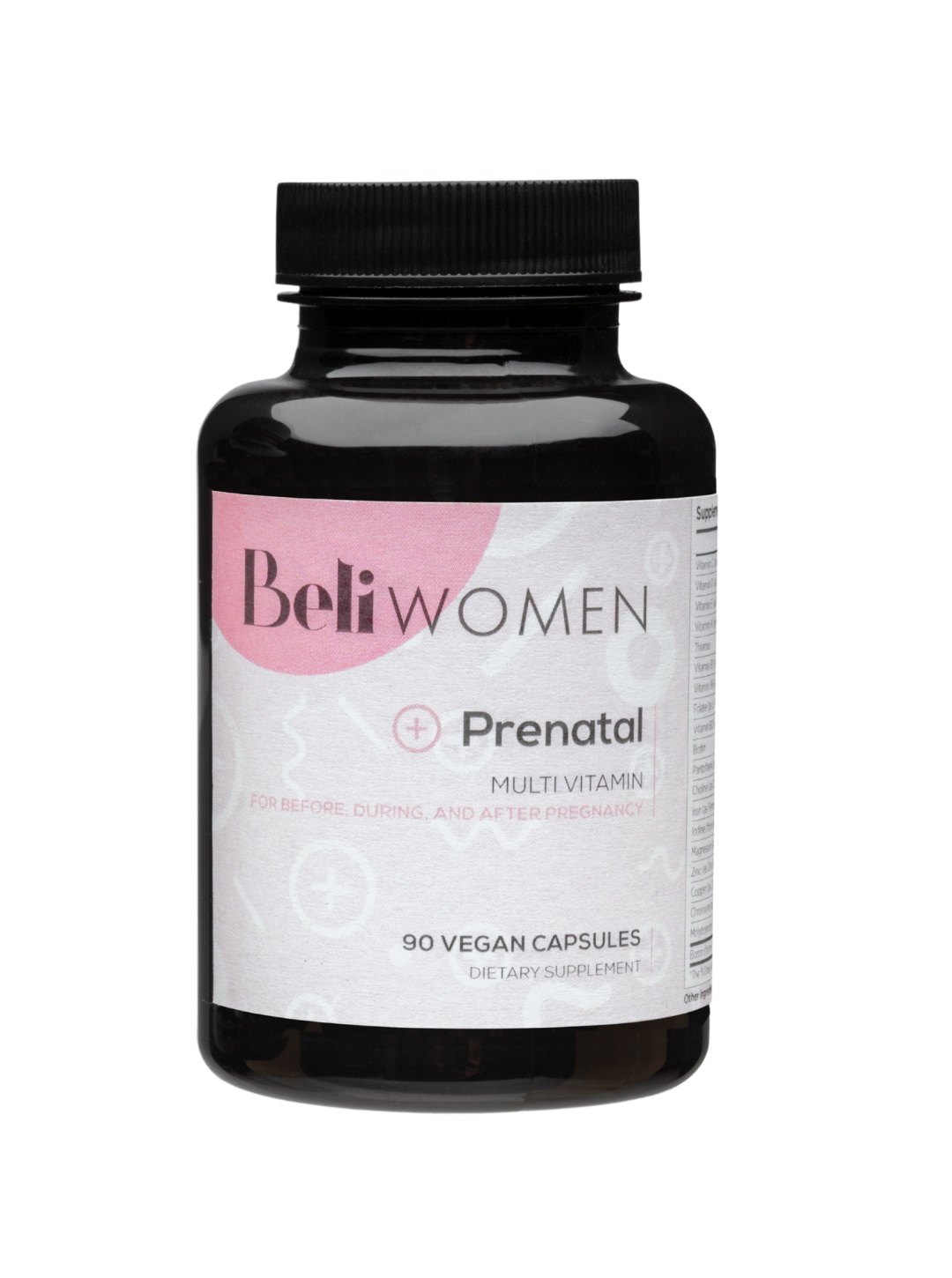
We were built on the belief that fertility isn't a single-organ issue it's a whole-body, whole-couple journey. Long before "metabolic health" became a mainstream wellness buzzword, Beli was formulating supplements that support the hormonal, nutritional, and metabolic factors that actually move the needle on reproductive outcomes. The PMOS rename isn't a surprise to us. It's validation.
Explore Beli's Fertility Supplements →What's Next
The recategorization will include updates to clinical guidelines, medical education, and international disease classification systems ensuring the new terminology is adopted consistently worldwide. So while you may still see "PCOS" used for some time during the transition, know that PMOS is now the official name, and the one that finally does justice to what you've been living with.
If you've been told you have PCOS, you haven't been misdiagnosed. You have PMOS and now the medical world is catching up to what you already knew: this is bigger than your ovaries.