Will One Drink Ruin My Chances of Getting Pregnant?

What alcohol really does to fertility, hormones, and breastfeeding

Short answer: No, one drink will not ruin your chances of getting pregnant.
But the pattern, timing, and biological window around alcohol matter more than most people realize.

If you’re thinking about pregnancy, or even just thinking about thinking about it, you’ve probably wondered where alcohol actually fits in. Especially during moments like Dry January, when wellness advice feels louder than ever.

This article isn’t about fear or perfection. It’s about understanding how alcohol affects fertility before pregnancy, how it shows up differently for women and men, and why nutrient support matters just as much as cutting back.

THE QUICK TAKE 

  • One drink won’t sabotage fertility

  • Regular or poorly timed drinking can disrupt hormones and egg/sperm quality

  • Fertility is shaped 90 days before conception, not at a positive test

  • Alcohol depletes key fertility nutrients

  • Reducing alcohol + targeted supplementation is the most supportive approach

WHY THIS QUESTION MAKES SENSE (AND WHY IT’S ASKED SO OFTEN)

Fertility advice is often extreme:

  • “Don’t worry about it at all”

  • “Stop everything immediately”

Neither is very helpful.

The truth lives in the middle and it’s rooted in biology.

Eggs and sperm take about 3 months to mature, meaning the pregnancy you want later is influenced by what your body experiences now. Alcohol doesn’t just affect you in the moment, it affects hormones, oxidative stress, and nutrient reserves during that window.

HOW ALCOHOL AFFECTS FEMALE FERTILITY (WITHOUT THE FEAR)

Alcohol doesn’t block pregnancy outright, but it can quietly interfere with the systems that make pregnancy possible.

Hormones & Cycle Timing

Alcohol can disrupt estrogen and progesterone balance, leading to:

  • Irregular or delayed ovulation

  • Shorter luteal phases

  • Less predictable cycles

Ovulation has to happen, and be well-timed, for conception to occur.

Egg Quality

Egg quality isn’t only about age. It’s also influenced by oxidative stress. Alcohol increases free radical damage during late-stage egg maturation, a sensitive phase that impacts fertilization and early embryo development.

HOW ALCOHOL AFFECTS MALE FERTILITY (YES, THIS MATTERS)

Male fertility contributes to roughly 50% of fertility challenges, yet it’s often left out of the conversation.

Alcohol has been linked to:

  • Lower sperm count

  • Reduced motility (movement)

  • Abnormal morphology (shape)

  • Increased sperm DNA damage

Because sperm regenerate every ~90 days, reducing alcohol and improving nutrient intake can meaningfully improve sperm health over time.

WHAT ABOUT BREASTFEEDING?

Alcohol continues to matter after pregnancy.

  • Alcohol passes into breast milk

  • It can temporarily reduce milk supply

  • Infants metabolize alcohol far more slowly than adults

From a milk production and infant health perspective, less alcohol and stronger nutrient support are the most protective choices.

WHERE SUPPLEMENTS COME IN (THE PART MOST PEOPLE MISS)

Reducing alcohol helps, but it doesn’t automatically replace what’s been depleted.

Alcohol increases loss of:

  • Folate & B vitamins

  • Choline

  • Zinc

  • Selenium

  • Antioxidants

These nutrients are essential for:

  • Egg and sperm quality

  • Hormone balance

  • Healthy implantation

  • Postpartum recovery and milk production

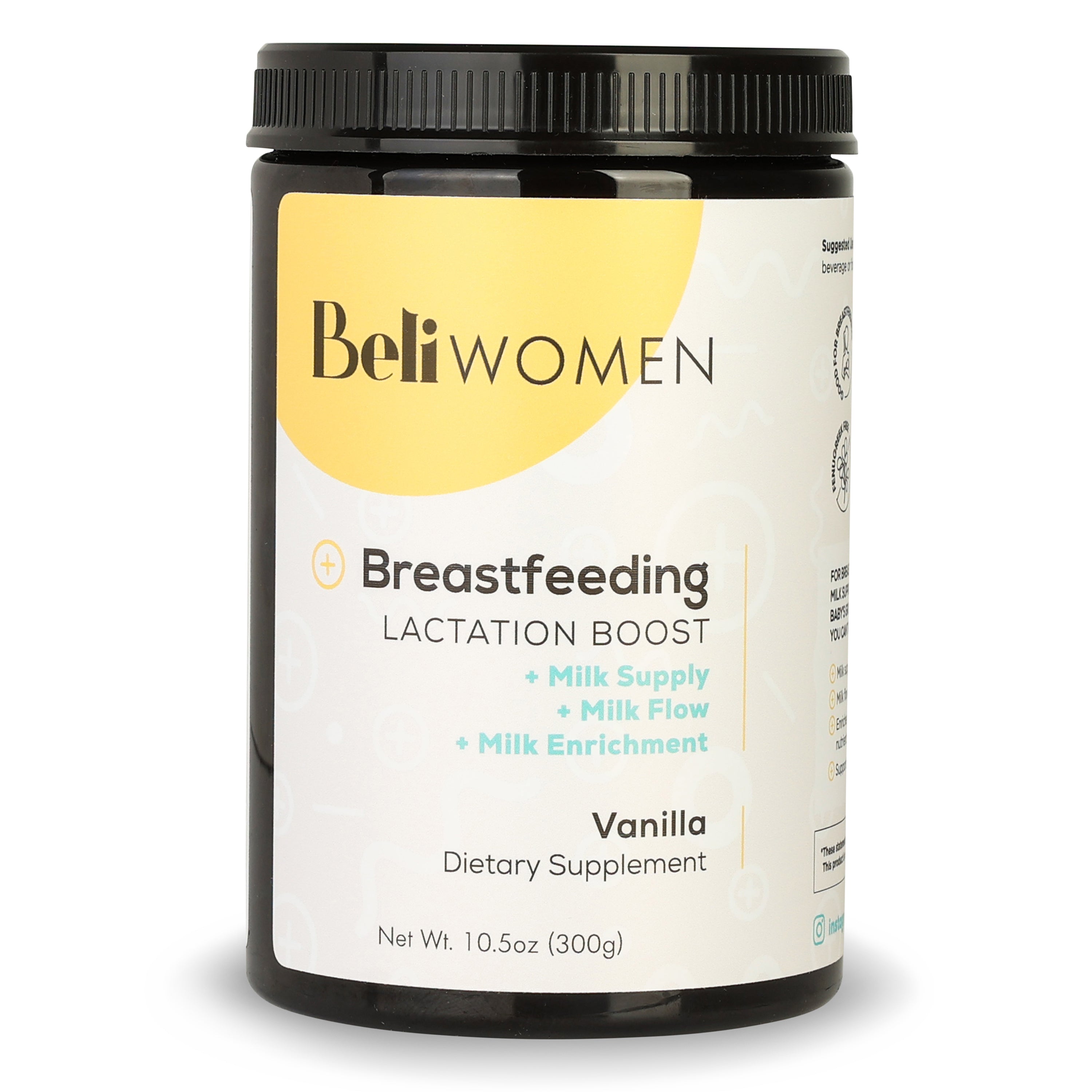
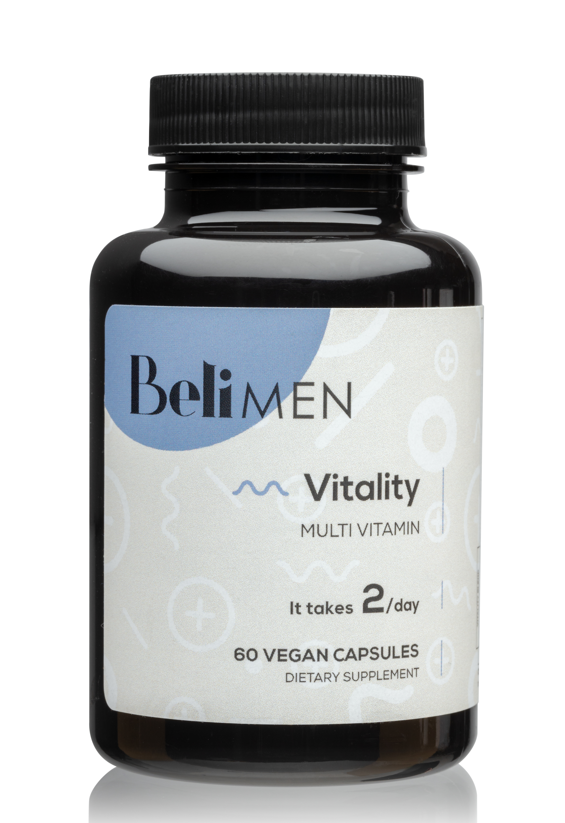
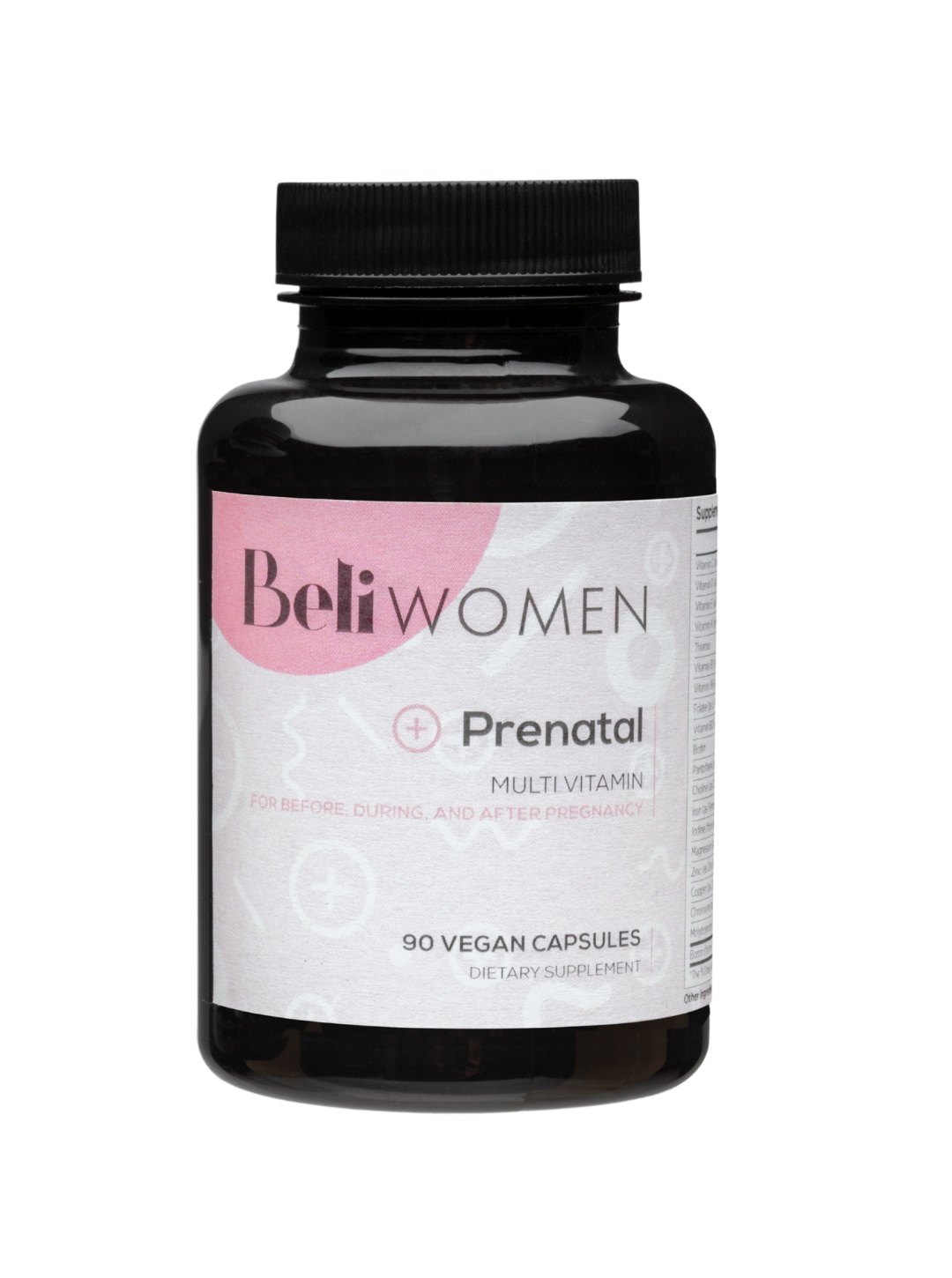
This is where high-quality, targeted supplements matter—not as a shortcut, but as foundational support during preconception, pregnancy, and breastfeeding.

Fertility isn’t about restriction.
It’s about repletion.

SO WHAT’S ACTUALLY “BEST”?

From a fertility standpoint:

  • Less alcohol is better than more

  • No amount improves fertility

  • Removing alcohol + nourishing intentionally supports better outcomes

Many people use Dry January or intentional breaks as a reset, not as a rule, but as a way to support hormones and nutrient status during a key window.

THE BOTTOM LINE

One drink won’t ruin your chances of getting pregnant.

But fertility is cumulative, and your body does better when alcohol isn’t competing with the systems responsible for hormones, egg quality, sperm health, and milk production.

The most supportive approach is simple:

  • Reduce stressors

  • Replenish nutrients

  • Support your biology over time

If a baby is on your radar, now or later, start supporting your fertility today with intentional nutrients and clinically informed supplementation.

👉 Give your body what it needs before it has to ask for it.

Shop the Story

Additional Resources

Every January, we’re told to "reset" with restrictive cleanses and short-term resolutions. But when it comes to fertility and pregnancy, your body doesn't need a restart, it needs a foundation.

Read More

Progesterone is the quiet but powerful hormone that can make or break fertility. It rises after ovulation to prepare your body for pregnancy and if it’s too low, conception may not happen or pregnancy may not last. From cycle spotting to miscarriage risk, here’s what low progesterone really means and when extra support might help.

Read More

Think you know fertility? This quick True or False quiz will test your knowledge with facts most people have never heard before. Grab your coffee, take the quiz, and see how many you get right.

Read More

Think prenatal vitamins are just for women? Think again.  From sperm count to embryo health, men play a bigger role in fertility than most people realize. Read now to learn what no one’s telling men about fertility, supplements, sperm quality, and how Beli is changing the game.

Read More

The long, lazy days of summer aren’t just prime vacation days. Summer could actually be an especially fertile season, which may be of interest to couples who are interested in starting a family. If you’re angling for parenthood this summer, here’s what to know about the season of fertility.

Read More

Ever wonder what’s up with perimenopause? It’s the hormonal rollercoaster before menopause, hitting 1.5 million U.S. women yearly and it’s all over TikTok in 2025. Think irregular periods, hot flashes, and questions like, “Can I still conceive?” Spoiler: Yes, with help! Inositol and Beli Preconception step in helping ease mood swings (40% better, per studies) and supporting ovulation (up 65%). Curious about the chaos and how to tame it? Unravel the mystery, from symptoms to fertility tips, right here.

Read More

The truth is, you don’t need a medical degree to become an expert in your own reproductive health. By understanding your body, making informed lifestyle choices, and taking proactive steps, you can significantly improve your chances of conception.

Read More

Most births occur between June and early November. Count back nine months, and you’ll see that places most conceptions in the fall and winter. So what’s the deal? Is it the cold weather, all the festivities, or something else driving us between the sheets? That ugly sweater is pretty cute, but you can chalk this up to reproductive seasonality. Here’s what that means, why it matters, and what to do to use it to your advantage.

Read More

Many men overlook how crucial sperm health is until it's too late. Red flag statements can signal poor sperm quality. Whether trying to conceive or maintaining health, recognizing these signs early can impact your fertility and well-being.

Read More

Fall is not just a time for pumpkin spice lattes and cooler weather; it’s also an opportunity to optimize fertility, particularly for men. Cooler temperatures naturally benefit sperm health, while Beli for Men provides the essential nutrients needed to take those benefits even further. 

Read More

Egg quantity and quality are critical aspect of our reproductive well-being. By understanding the ideal number of eggs at various ages, why egg quality and quantity matter, and how to nurture and improve egg health, we can make informed decisions about our fertility and overall health.

Read More

Miscarriage is a complex issue, and while sperm health is just one factor, it's a crucial one. By understanding the statistics and research surrounding miscarriage and sperm health, couples can take proactive steps to improve fertility outcomes. Beli Vitality for Men offers a comprehensive fertility supplement solution, supported by industry research and designed to improve sperm health. By combining Beli Vitality with healthy lifestyle choices, couples can optimize their fertility journey and increase their chances of a successful pregnancy.

Read More

While it’s true that popular hair loss meds work minor miracles on that receding hairline and back-of-the-head bald patch, it’s also true that it can come with side effects—some of them sexual. So, what does that mean in terms of male fertility? Here’s what couples should understand about the effects of popular hair-loss medications on sperm health.

Read More

The summer heat really can have a temporary effect on male fertility, so doing what you can to keep cool, especially if the goal is becoming a dad, is really important. Here are tips to keep you and the boys cool this summer.

Read More

If you’re no stranger to the telltale signs of seasonal allergies—sneezing, itching, nasal congestion, irritated eyes, the works—you’re likely familiar with antihistamines. When you’re actively trying to conceive, there’s more to understand about histamines, seasonal allergies and how it affects your fertility.

Read More

When the plan is a baby, but you’re having a hard time conceiving, it’s normal to start wondering why. While there can be a number of issues in play, one tends to be overlooked: sleep quality. Specifically, men who have the sleep disorder sleep apnea could be at greater risk of fertility issues. Now, new research is drawing a more definitive link between sleep apnea and male fertility. Let’s review.

Read More

Every January, we’re told to "reset" with restrictive cleanses and short-term resolutions. But when it comes to fertility and pregnancy, your body doesn't need a restart, it needs a foundation.

Read More

Progesterone is the quiet but powerful hormone that can make or break fertility. It rises after ovulation to prepare your body for pregnancy and if it’s too low, conception may not happen or pregnancy may not last. From cycle spotting to miscarriage risk, here’s what low progesterone really means and when extra support might help.

Read More

Think you know fertility? This quick True or False quiz will test your knowledge with facts most people have never heard before. Grab your coffee, take the quiz, and see how many you get right.

Read More

Think prenatal vitamins are just for women? Think again.  From sperm count to embryo health, men play a bigger role in fertility than most people realize. Read now to learn what no one’s telling men about fertility, supplements, sperm quality, and how Beli is changing the game.

Read More

The truth is, you don’t need a medical degree to become an expert in your own reproductive health. By understanding your body, making informed lifestyle choices, and taking proactive steps, you can significantly improve your chances of conception.

Read More

Many men overlook how crucial sperm health is until it's too late. Red flag statements can signal poor sperm quality. Whether trying to conceive or maintaining health, recognizing these signs early can impact your fertility and well-being.

Read More

Fall is not just a time for pumpkin spice lattes and cooler weather; it’s also an opportunity to optimize fertility, particularly for men. Cooler temperatures naturally benefit sperm health, while Beli for Men provides the essential nutrients needed to take those benefits even further. 

Read More

Miscarriage is a complex issue, and while sperm health is just one factor, it's a crucial one. By understanding the statistics and research surrounding miscarriage and sperm health, couples can take proactive steps to improve fertility outcomes. Beli Vitality for Men offers a comprehensive fertility supplement solution, supported by industry research and designed to improve sperm health. By combining Beli Vitality with healthy lifestyle choices, couples can optimize their fertility journey and increase their chances of a successful pregnancy.

Read More

While it’s true that popular hair loss meds work minor miracles on that receding hairline and back-of-the-head bald patch, it’s also true that it can come with side effects—some of them sexual. So, what does that mean in terms of male fertility? Here’s what couples should understand about the effects of popular hair-loss medications on sperm health.

Read More

The summer heat really can have a temporary effect on male fertility, so doing what you can to keep cool, especially if the goal is becoming a dad, is really important. Here are tips to keep you and the boys cool this summer.

Read More

If you’re no stranger to the telltale signs of seasonal allergies—sneezing, itching, nasal congestion, irritated eyes, the works—you’re likely familiar with antihistamines. When you’re actively trying to conceive, there’s more to understand about histamines, seasonal allergies and how it affects your fertility.

Read More

When the plan is a baby, but you’re having a hard time conceiving, it’s normal to start wondering why. While there can be a number of issues in play, one tends to be overlooked: sleep quality. Specifically, men who have the sleep disorder sleep apnea could be at greater risk of fertility issues. Now, new research is drawing a more definitive link between sleep apnea and male fertility. Let’s review.

Read More

Every January, we’re told to "reset" with restrictive cleanses and short-term resolutions. But when it comes to fertility and pregnancy, your body doesn't need a restart, it needs a foundation.

Read More

Choline is an overlooked essential nutrient in many prenatal vitamin formulas, and it's a major oversight. Here at Beli, we've been sounding the alarm for years and it's gratifying to see that the market is beginning to catch up. That's thanks in part to articles like "The 7 Best Choline Supplements for Pregnancy, According to a Prenatal Dietitian" from Parents. Spoiler: Beli for Women made the list.

Read More

Progesterone is the quiet but powerful hormone that can make or break fertility. It rises after ovulation to prepare your body for pregnancy and if it’s too low, conception may not happen or pregnancy may not last. From cycle spotting to miscarriage risk, here’s what low progesterone really means and when extra support might help.

Read More

Think you know fertility? This quick True or False quiz will test your knowledge with facts most people have never heard before. Grab your coffee, take the quiz, and see how many you get right.

Read More

The long, lazy days of summer aren’t just prime vacation days. Summer could actually be an especially fertile season, which may be of interest to couples who are interested in starting a family. If you’re angling for parenthood this summer, here’s what to know about the season of fertility.

Read More

Ever wonder what’s up with perimenopause? It’s the hormonal rollercoaster before menopause, hitting 1.5 million U.S. women yearly and it’s all over TikTok in 2025. Think irregular periods, hot flashes, and questions like, “Can I still conceive?” Spoiler: Yes, with help! Inositol and Beli Preconception step in helping ease mood swings (40% better, per studies) and supporting ovulation (up 65%). Curious about the chaos and how to tame it? Unravel the mystery, from symptoms to fertility tips, right here.

Read More

The truth is, you don’t need a medical degree to become an expert in your own reproductive health. By understanding your body, making informed lifestyle choices, and taking proactive steps, you can significantly improve your chances of conception.

Read More

If you’re noticing any of these signs, the good news is that it’s simple to make changes. Switching to a high-quality prenatal like Beli's Prenatal—one formulated with chelated minerals, methylated B vitamins, 400 mg of choline, and vegan vitamin D3—can make a world of difference. 

Read More

Egg quantity and quality are critical aspect of our reproductive well-being. By understanding the ideal number of eggs at various ages, why egg quality and quantity matter, and how to nurture and improve egg health, we can make informed decisions about our fertility and overall health.

Read More

If you’re no stranger to the telltale signs of seasonal allergies—sneezing, itching, nasal congestion, irritated eyes, the works—you’re likely familiar with antihistamines. When you’re actively trying to conceive, there’s more to understand about histamines, seasonal allergies and how it affects your fertility.

Read More

If you’re noticing any of these signs, the good news is that it’s simple to make changes. Switching to a high-quality prenatal like Beli's Prenatal—one formulated with chelated minerals, methylated B vitamins, 400 mg of choline, and vegan vitamin D3—can make a world of difference. 

Read More

Choline is an overlooked essential nutrient in many prenatal vitamin formulas, and it's a major oversight. Here at Beli, we've been sounding the alarm for years and it's gratifying to see that the market is beginning to catch up. That's thanks in part to articles like "The 7 Best Choline Supplements for Pregnancy, According to a Prenatal Dietitian" from Parents. Spoiler: Beli for Women made the list.

Read More

Progesterone is the quiet but powerful hormone that can make or break fertility. It rises after ovulation to prepare your body for pregnancy and if it’s too low, conception may not happen or pregnancy may not last. From cycle spotting to miscarriage risk, here’s what low progesterone really means and when extra support might help.

Read More

Think you know fertility? This quick True or False quiz will test your knowledge with facts most people have never heard before. Grab your coffee, take the quiz, and see how many you get right.

Read More

If you’re noticing any of these signs, the good news is that it’s simple to make changes. Switching to a high-quality prenatal like Beli's Prenatal—one formulated with chelated minerals, methylated B vitamins, 400 mg of choline, and vegan vitamin D3—can make a world of difference. 

Read More
×

Change Shipping Country

Cancel