Is Winter The Secret Fertility Power Season?

The 2026 Science Behind Why So Many Couples Conceive Now

The holidays are here, the bustle, the travel, the late nights, the stress, the cozy nights in, the sugar (so much sugar)… and surprisingly, one of the most biologically fertile times of the entire year.

If you’re hoping to conceive in 2026, here’s something most people don’t realize:
👉 Fall and winter naturally create some of the strongest fertility conditions for both women and men and supporting your body now can meaningfully increase your chances of conceiving in the new year.

Yes, even with the chaos of December.
Yes, even if you feel too busy.
Yes, even if you planned to “start fresh in January.”

Here’s why: the biology doesn’t pause for the holidays, your egg health, hormone rhythms, and your partner’s sperm development are happening right now, regardless of how hectic the season feels.

Eggs take about 90 days to mature.
Sperm take about 72 days to regenerate.

That means the nutritional and lifestyle choices you make this season directly influence your fertility in February, March, and April which also happen to be some of the most successful conception months in the U.S.

So while everyone else focuses on gift lists and calendars, you can quietly give your future family a powerful head start.

Now let’s unpack why fall and winter have always been the quiet “baby-making season”  and what the updated science shows about seasonal fertility in 2026.

What Is Seasonal Fertility? (And Why It Still Matters Today)

Seasonal fertility refers to the natural rise and fall of conception rates throughout the year. Even though humans don’t have a strict mating season, studies in reproductive endocrinology show that we still experience subtle but meaningful seasonal shifts in:

  • reproductive hormone activity

  • ovulation patterns

  • sperm quality

  • sexual behavior

  • sleep patterns and melatonin production

In the U.S., birth data consistently shows a peak from June to early November, meaning many conceptions happen between September and February.

So yes, fall and winter remain prime fertility months.

Why Fertility Increases in Fall & Winter: The Updated Science (2026)

Researchers have identified several biological and behavioral reasons why conception naturally increases during cooler months.

1. Shorter Days Influence Melatonin and Reproductive Hormones

As daylight hours decrease, melatonin production increases. Melatonin interacts with the reproductive system by influencing:

  • GnRH (the hormone that regulates ovulation and sperm production)

  • LH and FSH (key fertility hormones for both men and women)

  • Sleep quality, which directly influences hormone regulation

These shifts may create a biologically supportive environment for conception.

2. Cooler Temperatures Reduce Physiological Stress

Heat increases cortisol, inflammation, and oxidative stress — all of which negatively impact fertility.

Cooler temperatures are associated with:

  • better sperm morphology

  • more regular ovulation

  • improved cellular function

  • lower stress responses

This creates ideal internal conditions for conception.

3. Seasonal Behavior Patterns Support Intimacy and Hormonal Balance

During fall and winter, people naturally:

  • spend more time indoors

  • rest more

  • cook and eat at home

  • connect more emotionally with partners

  • experience reduced social pressure

These lifestyle shifts correlate with increased intimacy and conception rates.

4. Evolutionary Biology Still Influences Us

Historically, conceiving in fall led to births in late spring or early summer when food availability increased and infant survival was higher.

Even though we live modern lives, our biological rhythms still carry echoes of that evolutionary advantage.

Is Seasonal Fertility Declining? Yes, But It Still Exists

While the effect is softer than decades ago, seasonality still impacts conception today. What has changed?

  • constant artificial light

  • irregular sleep patterns

  • climate-controlled environments

  • year-round work schedules

  • family planning and fertility treatments

  • urban living

Despite these shifts, conception rates still rise reliably every fall and winter.

Trying to Conceive in 2026? Here’s How to Use This Season to Your Advantage

Seasonality gives you a biological boost, but nutritional support gives you the metabolic, hormonal, and cellular foundation needed to conceive.

Because eggs take ~90 days to mature and sperm take ~72 days to regenerate, what you do during the holiday season shapes your fertility in early 2026.

Supporting Both Partners Is Key (And Often Overlooked)

Nutrient deficiencies can affect:

  • ovulation

  • egg quality

  • uterine environment

  • sperm count, motility, morphology, and DNA integrity

That’s why many fertility specialists now recommend dual preconception supplementation.

The Recommended System for 2026

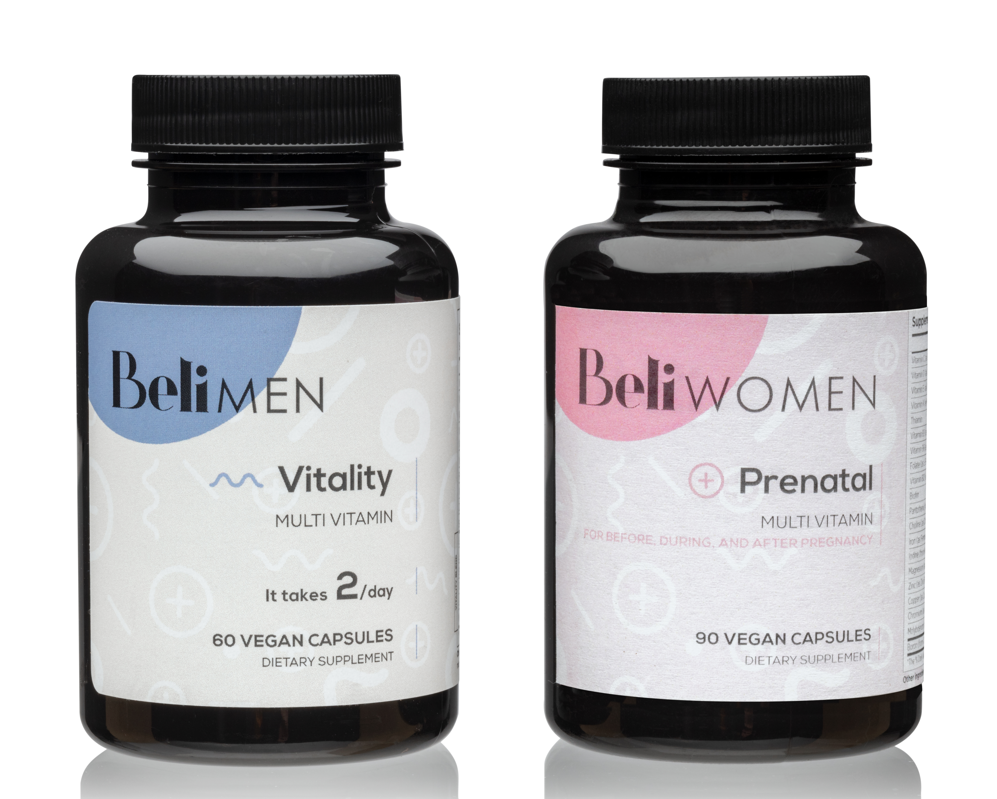
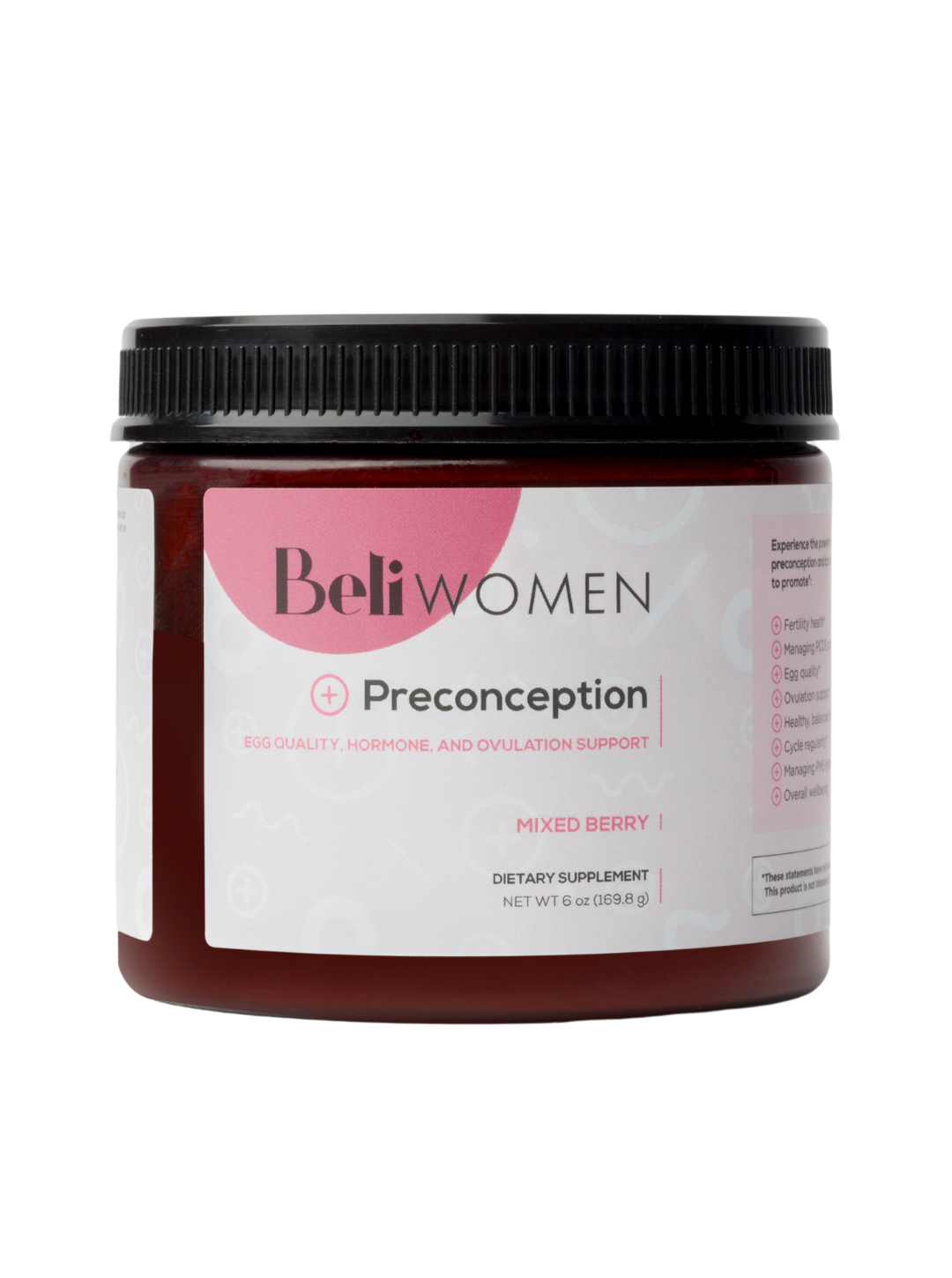
Beli for Women and Beli for Men offer one of the only prenatal systems scientifically designed to support both halves of the fertility equation.

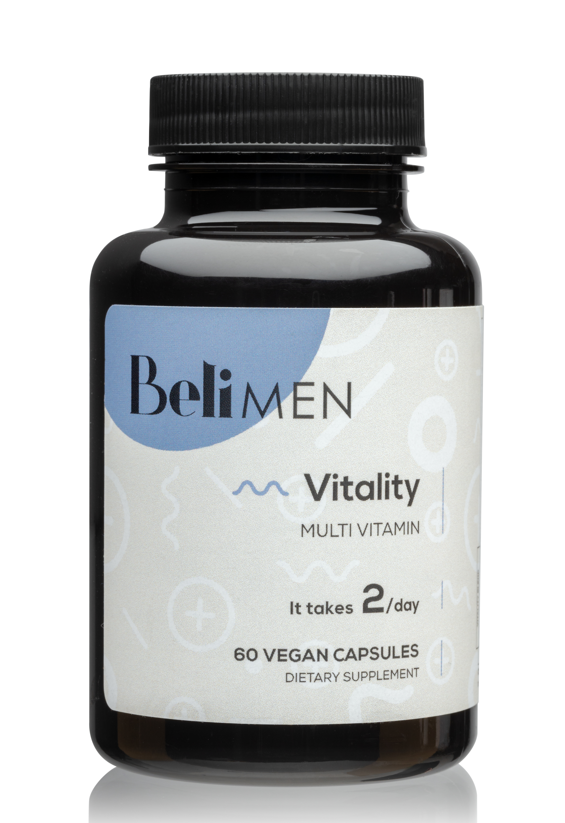
  • Beli Men optimizes sperm motility, morphology, concentration, and DNA stability

  • Beli Women delivers evidence-aligned levels of folate, choline, magnesium, iodine, antioxidants, and more

Supporting both partners increases your chances of conception and healthy pregnancy outcomes.

Bottom Line: Fall & Winter Are Still Fertility Power Seasons Even in a Modern World

Seasonal fertility may be softer than it used to be, but it’s still real and still meaningful. The holiday season remains one of the best times to support your reproductive health, even when life feels busy.

Because fertility doesn’t wait for the New Year.
Your biology is happening right now.
And taking action today supports the family you want tomorrow.

Happy holidays — and happy conceiving — from the Beli team.

Shop the Story

Additional Resources

Progesterone is the quiet but powerful hormone that can make or break fertility. It rises after ovulation to prepare your body for pregnancy and if it’s too low, conception may not happen or pregnancy may not last. From cycle spotting to miscarriage risk, here’s what low progesterone really means and when extra support might help.

Read More

Think you know fertility? This quick True or False quiz will test your knowledge with facts most people have never heard before. Grab your coffee, take the quiz, and see how many you get right.

Read More

Think prenatal vitamins are just for women? Think again.  From sperm count to embryo health, men play a bigger role in fertility than most people realize. Read now to learn what no one’s telling men about fertility, supplements, sperm quality, and how Beli is changing the game.

Read More

The long, lazy days of summer aren’t just prime vacation days. Summer could actually be an especially fertile season, which may be of interest to couples who are interested in starting a family. If you’re angling for parenthood this summer, here’s what to know about the season of fertility.

Read More

Ever wonder what’s up with perimenopause? It’s the hormonal rollercoaster before menopause, hitting 1.5 million U.S. women yearly and it’s all over TikTok in 2025. Think irregular periods, hot flashes, and questions like, “Can I still conceive?” Spoiler: Yes, with help! Inositol and Beli Preconception step in helping ease mood swings (40% better, per studies) and supporting ovulation (up 65%). Curious about the chaos and how to tame it? Unravel the mystery, from symptoms to fertility tips, right here.

Read More

The truth is, you don’t need a medical degree to become an expert in your own reproductive health. By understanding your body, making informed lifestyle choices, and taking proactive steps, you can significantly improve your chances of conception.

Read More

Most births occur between June and early November. Count back nine months, and you’ll see that places most conceptions in the fall and winter. So what’s the deal? Is it the cold weather, all the festivities, or something else driving us between the sheets? That ugly sweater is pretty cute, but you can chalk this up to reproductive seasonality. Here’s what that means, why it matters, and what to do to use it to your advantage.

Read More

Many men overlook how crucial sperm health is until it's too late. Red flag statements can signal poor sperm quality. Whether trying to conceive or maintaining health, recognizing these signs early can impact your fertility and well-being.

Read More

Fall is not just a time for pumpkin spice lattes and cooler weather; it’s also an opportunity to optimize fertility, particularly for men. Cooler temperatures naturally benefit sperm health, while Beli for Men provides the essential nutrients needed to take those benefits even further. 

Read More

Egg quantity and quality are critical aspect of our reproductive well-being. By understanding the ideal number of eggs at various ages, why egg quality and quantity matter, and how to nurture and improve egg health, we can make informed decisions about our fertility and overall health.

Read More

Miscarriage is a complex issue, and while sperm health is just one factor, it's a crucial one. By understanding the statistics and research surrounding miscarriage and sperm health, couples can take proactive steps to improve fertility outcomes. Beli Vitality for Men offers a comprehensive fertility supplement solution, supported by industry research and designed to improve sperm health. By combining Beli Vitality with healthy lifestyle choices, couples can optimize their fertility journey and increase their chances of a successful pregnancy.

Read More

While it’s true that popular hair loss meds work minor miracles on that receding hairline and back-of-the-head bald patch, it’s also true that it can come with side effects—some of them sexual. So, what does that mean in terms of male fertility? Here’s what couples should understand about the effects of popular hair-loss medications on sperm health.

Read More

The summer heat really can have a temporary effect on male fertility, so doing what you can to keep cool, especially if the goal is becoming a dad, is really important. Here are tips to keep you and the boys cool this summer.

Read More

If you’re no stranger to the telltale signs of seasonal allergies—sneezing, itching, nasal congestion, irritated eyes, the works—you’re likely familiar with antihistamines. When you’re actively trying to conceive, there’s more to understand about histamines, seasonal allergies and how it affects your fertility.

Read More

When the plan is a baby, but you’re having a hard time conceiving, it’s normal to start wondering why. While there can be a number of issues in play, one tends to be overlooked: sleep quality. Specifically, men who have the sleep disorder sleep apnea could be at greater risk of fertility issues. Now, new research is drawing a more definitive link between sleep apnea and male fertility. Let’s review.

Read More

Fact: You can’t look at a guy—or eyeball his semen sample, for that matter—and determine his fertility. It just doesn’t work that way. The only way to truly assess sperm health is with a semen analysis. But there are a few lifestyle choices and truths that may indicate whether a man’s sperm is healthy and happy. 

Read More

Progesterone is the quiet but powerful hormone that can make or break fertility. It rises after ovulation to prepare your body for pregnancy and if it’s too low, conception may not happen or pregnancy may not last. From cycle spotting to miscarriage risk, here’s what low progesterone really means and when extra support might help.

Read More

Think you know fertility? This quick True or False quiz will test your knowledge with facts most people have never heard before. Grab your coffee, take the quiz, and see how many you get right.

Read More

Think prenatal vitamins are just for women? Think again.  From sperm count to embryo health, men play a bigger role in fertility than most people realize. Read now to learn what no one’s telling men about fertility, supplements, sperm quality, and how Beli is changing the game.

Read More

The truth is, you don’t need a medical degree to become an expert in your own reproductive health. By understanding your body, making informed lifestyle choices, and taking proactive steps, you can significantly improve your chances of conception.

Read More

Many men overlook how crucial sperm health is until it's too late. Red flag statements can signal poor sperm quality. Whether trying to conceive or maintaining health, recognizing these signs early can impact your fertility and well-being.

Read More

Fall is not just a time for pumpkin spice lattes and cooler weather; it’s also an opportunity to optimize fertility, particularly for men. Cooler temperatures naturally benefit sperm health, while Beli for Men provides the essential nutrients needed to take those benefits even further. 

Read More

Miscarriage is a complex issue, and while sperm health is just one factor, it's a crucial one. By understanding the statistics and research surrounding miscarriage and sperm health, couples can take proactive steps to improve fertility outcomes. Beli Vitality for Men offers a comprehensive fertility supplement solution, supported by industry research and designed to improve sperm health. By combining Beli Vitality with healthy lifestyle choices, couples can optimize their fertility journey and increase their chances of a successful pregnancy.

Read More

While it’s true that popular hair loss meds work minor miracles on that receding hairline and back-of-the-head bald patch, it’s also true that it can come with side effects—some of them sexual. So, what does that mean in terms of male fertility? Here’s what couples should understand about the effects of popular hair-loss medications on sperm health.

Read More

The summer heat really can have a temporary effect on male fertility, so doing what you can to keep cool, especially if the goal is becoming a dad, is really important. Here are tips to keep you and the boys cool this summer.

Read More

If you’re no stranger to the telltale signs of seasonal allergies—sneezing, itching, nasal congestion, irritated eyes, the works—you’re likely familiar with antihistamines. When you’re actively trying to conceive, there’s more to understand about histamines, seasonal allergies and how it affects your fertility.

Read More

When the plan is a baby, but you’re having a hard time conceiving, it’s normal to start wondering why. While there can be a number of issues in play, one tends to be overlooked: sleep quality. Specifically, men who have the sleep disorder sleep apnea could be at greater risk of fertility issues. Now, new research is drawing a more definitive link between sleep apnea and male fertility. Let’s review.

Read More

Fact: You can’t look at a guy—or eyeball his semen sample, for that matter—and determine his fertility. It just doesn’t work that way. The only way to truly assess sperm health is with a semen analysis. But there are a few lifestyle choices and truths that may indicate whether a man’s sperm is healthy and happy. 

Read More

Choline is an overlooked essential nutrient in many prenatal vitamin formulas, and it's a major oversight. Here at Beli, we've been sounding the alarm for years and it's gratifying to see that the market is beginning to catch up. That's thanks in part to articles like "The 7 Best Choline Supplements for Pregnancy, According to a Prenatal Dietitian" from Parents. Spoiler: Beli for Women made the list.

Read More

Progesterone is the quiet but powerful hormone that can make or break fertility. It rises after ovulation to prepare your body for pregnancy and if it’s too low, conception may not happen or pregnancy may not last. From cycle spotting to miscarriage risk, here’s what low progesterone really means and when extra support might help.

Read More

Think you know fertility? This quick True or False quiz will test your knowledge with facts most people have never heard before. Grab your coffee, take the quiz, and see how many you get right.

Read More

The long, lazy days of summer aren’t just prime vacation days. Summer could actually be an especially fertile season, which may be of interest to couples who are interested in starting a family. If you’re angling for parenthood this summer, here’s what to know about the season of fertility.

Read More

Ever wonder what’s up with perimenopause? It’s the hormonal rollercoaster before menopause, hitting 1.5 million U.S. women yearly and it’s all over TikTok in 2025. Think irregular periods, hot flashes, and questions like, “Can I still conceive?” Spoiler: Yes, with help! Inositol and Beli Preconception step in helping ease mood swings (40% better, per studies) and supporting ovulation (up 65%). Curious about the chaos and how to tame it? Unravel the mystery, from symptoms to fertility tips, right here.

Read More

The truth is, you don’t need a medical degree to become an expert in your own reproductive health. By understanding your body, making informed lifestyle choices, and taking proactive steps, you can significantly improve your chances of conception.

Read More

If you’re noticing any of these signs, the good news is that it’s simple to make changes. Switching to a high-quality prenatal like Beli's Prenatal—one formulated with chelated minerals, methylated B vitamins, 400 mg of choline, and vegan vitamin D3—can make a world of difference. 

Read More

Egg quantity and quality are critical aspect of our reproductive well-being. By understanding the ideal number of eggs at various ages, why egg quality and quantity matter, and how to nurture and improve egg health, we can make informed decisions about our fertility and overall health.

Read More

If you’re no stranger to the telltale signs of seasonal allergies—sneezing, itching, nasal congestion, irritated eyes, the works—you’re likely familiar with antihistamines. When you’re actively trying to conceive, there’s more to understand about histamines, seasonal allergies and how it affects your fertility.

Read More
×

Change Shipping Country

Cancel