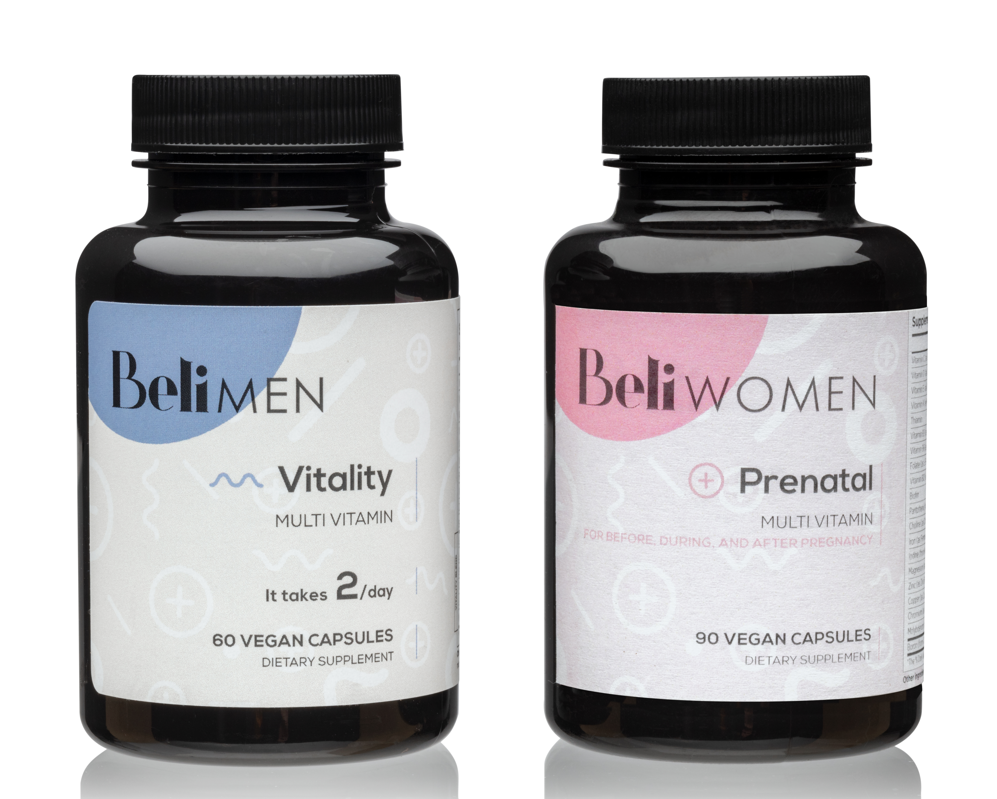
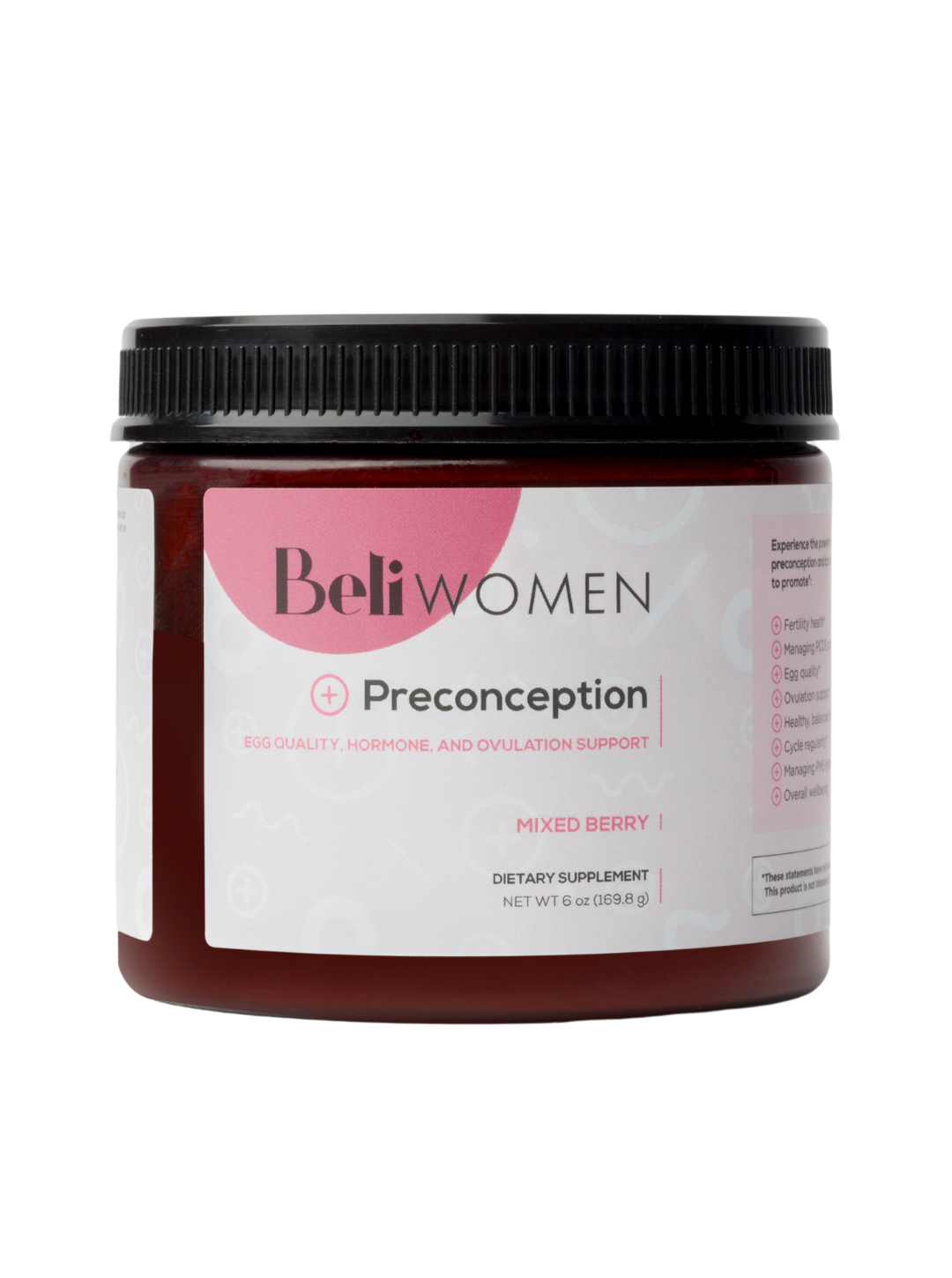
We Didn’t Just Think Ahead, We Thought Way Ahead
There’s a difference between being early and being right.
When we started formulating our prenatal, we weren’t trying to win shelf space. We weren’t chasing trends, influencer buzz, or what OBs were casually recommending at the time. We were asking a much more uncomfortable question:
What if we’ve been starting the conversation too late?
The Problem No One Was Solving
For decades, prenatal vitamins have been positioned as a reactive product, something you take once you’re already pregnant. The implication is subtle but powerful: preparation begins after conception.
But biologically, that’s not how it works.
Egg quality, sperm health, nutrient status, hormone balance, these aren’t built overnight. They’re shaped over months. Sometimes years. By the time most people reach for a prenatal, many of the foundational variables are already set in motion.
So we zoomed out.
Instead of asking, “What should a prenatal include?”
We asked, “What does the body actually need before conception even happens?”
That shift changed everything.
Formulating for the Moment Before It Matters
We built our prenatals around a simple but radical idea:
the first 12 weeks of pregnancy are too late to start optimizing for them.
So we engineered backwards.
We looked at:
-
Nutrient depletion patterns in modern diets
-
The role of methylation in early fetal development
-
The impact of oxidative stress on egg and sperm quality
-
The lag time required to meaningfully improve nutrient stores
-
The disconnect between clinical recommendations and real-world adherence
And then we asked:
What would a supplement look like if it were designed for outcomes, not timelines?
That meant:
-
Using bioavailable forms (not the cheapest, most common ones)
-
Prioritizing nutrients like choline and methylated folate before they became mainstream
-
Dosing for repletion, not just maintenance
-
Considering both partners, not just the person carrying the pregnancy
We weren’t building a prenatal.
We were building a preconception protocol disguised as one.
The Pushback
At the time, this thinking didn’t neatly fit into a category.
Retailers didn’t have a “preconception” section.
Doctors weren’t routinely advising months-long preparation.
Nobody was including men and sperm health
Consumers weren’t searching for it, because they hadn’t been taught to.
We heard things like:
-
“This is too early for most people.”
-
“Consumers won’t understand why they need this yet.”
-
“You’re overengineering something simple.”
-
“A supplement for male fertility, that’s ridiculous”
But we weren’t optimizing for what people already believed.
We were building for what the science, and eventually the market, would catch up to.
Then the Shift Happened
Slowly, the conversation started to change.
Research around:
-
Egg quality and ovarian reserve
-
Sperm DNA fragmentation
-
Nutrient deficiencies in reproductive-age adults
-
The role of lifestyle and supplementation in fertility outcomes
…began to move out of niche journals and into mainstream awareness.
At the same time, a new wave of companies, clinics, and content creators started talking about something that previously felt fringe:
Preconception health.
What was once “too early” became:
-
“3–6 months before trying”
-
Then “as soon as you’re thinking about it”
-
And now, increasingly, “this should be baseline for anyone in their reproductive years”
An entire category began to form.
We Didn’t Follow the Industry, We Helped Spark It
Looking back, it’s clear we weren’t just building a better product.
We were reframing a moment.
We treated preconception not as a niche phase, but as:
-
A critical biological window
-
A preventative health opportunity
-
And a missing piece in how people approach fertility altogether
Today, you see:
-
Dedicated preconception supplements
-
Fertility-focused diagnostics and testing
-
Content ecosystems around hormone health and optimization
-
Clinics integrating nutrition and supplementation earlier in the journey
That didn’t exist at scale before.
And while we’re not the only ones pushing this forward, we’re proud to have been early, and intentional, about where things were going.
What “Thinking Way Ahead” Actually Means
It doesn’t mean predicting trends for the sake of being first.
It means:
-
Trusting biology over convention
-
Designing for long-term outcomes over short-term behavior
-
Building products for the version of the consumer that doesn’t exist yet, but will
Most importantly, it means being willing to look slightly out of place until suddenly, you don’t.
Where This Is Going Next
Preconception is just the beginning.
We’re entering an era where:
-
People expect more personalized, proactive health solutions
-
Supplements are paired with diagnostics, data, and feedback loops
-
The line between prevention and treatment continues to blur
The future of reproductive health won’t start at pregnancy.
It won’t even start when you decide to try.
It will start much earlier, quietly, gradually, and intentionally.
Just like it always should have.