You Don’t Know What Sperm Health Means. We’ve Got You.

What sperm health actually includes, why the 90-day cycle matters, and how to support male fertility the smart way.

If you’re reading this, you’re already ahead.

Maybe you’re already taking Beli for Men.
Maybe you’re considering it.
Or maybe you just want to understand what sperm health actually means and how to improve it naturally.

Either way, you’re not here by accident.

This isn’t about reacting to a problem. It’s about playing the long game. It’s about understanding how your body is designed to work, and why what you do now shapes what’s possible three months from now.

If you’ve ever wondered whether what you’re doing actually makes a difference, you’re about to get clarity.

In this article, you’ll learn:

  • Why sperm health is about far more than count

  • How the 90-day sperm development cycle works

  • Why most daily vitamins and greens powders are not enough

  • And how targeted nutrition, like Beli for Men, supports the process

Let’s get into it.

Think of Sperm Health Like Training, Not Game Day

Most guys would not expect to perform well in the gym, on the field, or in a race without training beforehand.

You do not show up on game day and say, “Alright body, let’s get in shape.”

Sperm work the same way.

They are built over about 90 days. What you eat, how you sleep, how stressed you are, and whether your body has the right nutrients during that window determines how strong and functional they will be long before you are actively trying to conceive.

Supporting sperm health before trying, between kids, or simply as part of feeling your best is not overkill. It is how the body works.

It is not a switch you flip.
It is conditioning.

The 90-Day Sperm Development Cycle Explained

If you want to improve sperm health naturally, timing matters.

From start to finish, sperm development takes about 90 days. That means sperm quality today reflects what was happening in your body three months ago.

Nutrition, oxidative stress, sleep, alcohol intake, and micronutrient levels all influence how sperm are built during this window.

This is why improving male fertility is not about a last-minute change. It requires consistent support across the entire development cycle.

What you do now determines what is possible later.

What Sperm Health Actually Means

Sperm health is not just about sperm count.

It includes:

  • Sperm count, the total number of sperm present

  • Motility, how efficiently sperm move

  • Morphology, the shape and structure of sperm

  • DNA integrity, how protected the genetic material is

  • Mitochondrial function, how well sperm produce energy

  • Oxidative stress levels, which can damage sperm cells

Improving sperm quality naturally means supporting all of these factors, not just increasing numbers.

Why Most Supplements Miss the Mark

Many men assume they are covered if they take a daily multivitamin, greens powder, or performance supplement.

Those products can support general wellness. They are not designed specifically for male fertility.

Daily multivitamins are formulated for broad health coverage and often contain low doses of fertility-relevant nutrients.

Greens powders may provide micronutrients and digestive support, but they are not built to consistently deliver nutrients like DHA or CoQ10 at levels studied for sperm health.

Creatine and pre-workout supplements support muscle energy and strength. They do not support sperm DNA integrity, motility, or antioxidant protection.

Sperm development depends on specific nutrients delivered consistently during the 90-day cycle, including:

  • Zinc

  • Selenium

  • Omega-3 fatty acids, especially DHA

  • CoQ10

  • Folate and B-vitamins

  • Targeted antioxidants

Without adequate levels of these nutrients while sperm are being built, improvements are limited.

Supporting sperm health requires targeted nutrition, not just general supplementation.

Why This Matters for Both Partners

Male factors contribute to up to half of infertility cases.

Sperm health influences fertilization success, embryo quality, and miscarriage risk. Even when female fertility markers appear strong, compromised sperm quality can affect outcomes.

Male preconception health is a key part of the fertility equation.

Supporting sperm health early, whether you are actively trying or planning ahead, helps ensure the body is ready when the time comes.

Where Beli for Men Fits In

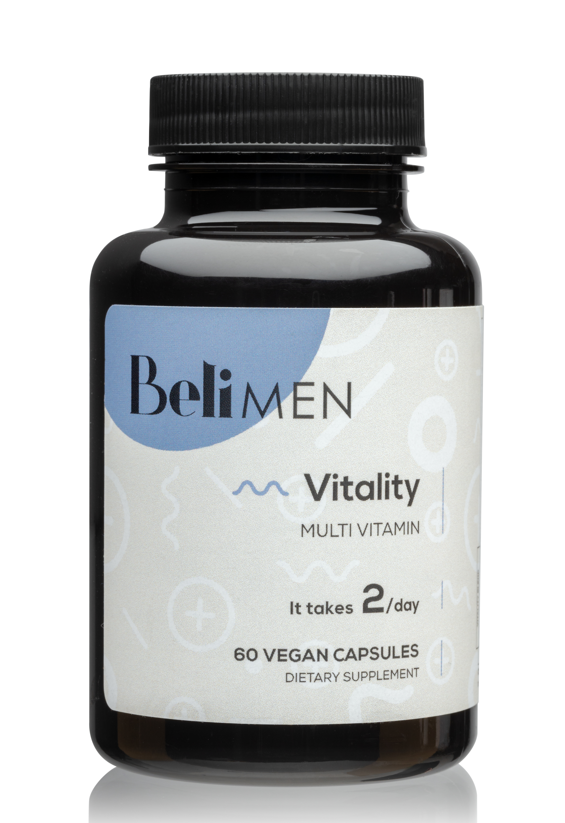
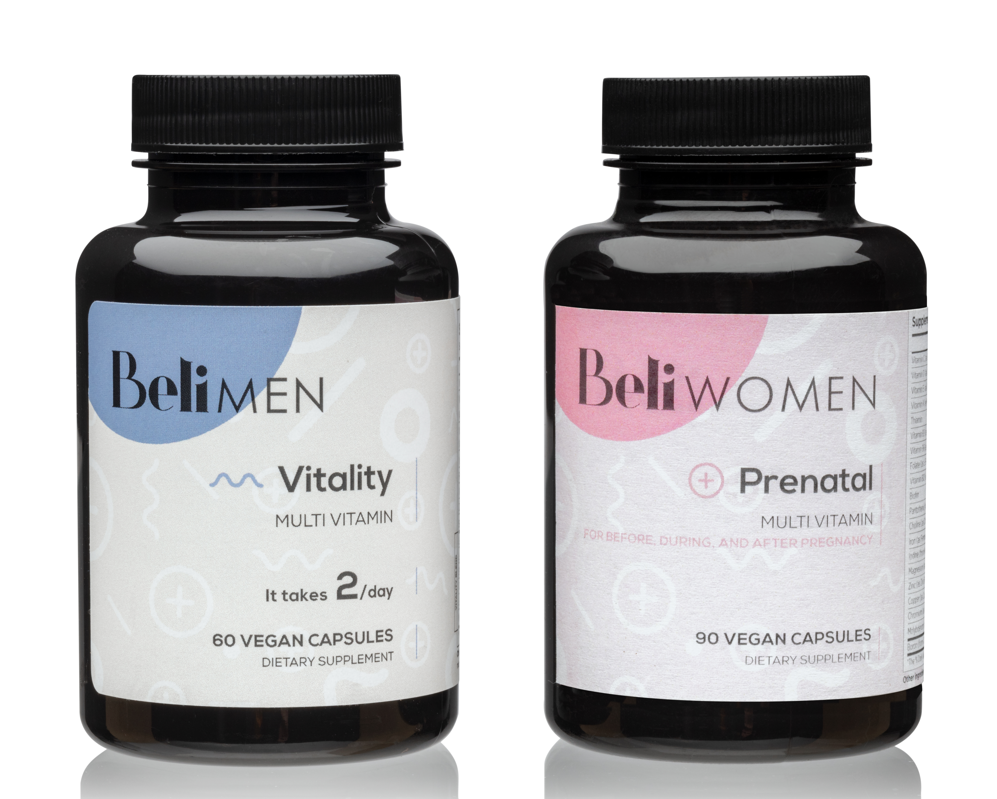
Beli for Men was designed specifically to support the nutrients sperm need while they are being built.

It is not meant to replace protein, greens, or creatine. It complements them by targeting male fertility directly.

Beli for Men focuses on:

  • Clinically relevant nutrients

  • Bioavailable forms for better absorption

  • Doses aligned with fertility research

  • Support across the full 90-day sperm development cycle

No hype. No shortcuts. Just intentional support for a biological process that takes time.

The Bottom Line

You do not need to wait for a diagnosis to care about sperm health.

Improving sperm quality naturally starts with understanding how sperm are built and supporting that process consistently.

Fertility is not about flipping a switch.

It is about staying ready.

Sperm Health FAQ

How can I improve sperm health naturally?

Improving sperm health naturally requires consistent support across the 90-day sperm development cycle. This includes targeted nutrients such as zinc, selenium, DHA, CoQ10, folate, and antioxidants, along with sleep, stress management, and reduced alcohol intake.

How long does it take to improve sperm quality?

Sperm take about 90 days to fully develop. Most measurable improvements align with that biological timeline.

Are sperm health supplements effective?

Sperm health supplements can be effective when they provide clinically studied nutrients in bioavailable forms and are taken consistently for at least one full 90-day cycle.

Are daily multivitamins enough for male fertility?

Most daily multivitamins are designed for general wellness and may not provide fertility-specific nutrients in clinically relevant doses.

Can I take Beli for Men with creatine or protein?

Yes. Performance supplements support muscle energy and strength. Beli for Men supports sperm development and reproductive health. They serve different purposes and can be taken together.

Shop the Story

Additional Resources

Every January, we’re told to "reset" with restrictive cleanses and short-term resolutions. But when it comes to fertility and pregnancy, your body doesn't need a restart, it needs a foundation.

Read More

Progesterone is the quiet but powerful hormone that can make or break fertility. It rises after ovulation to prepare your body for pregnancy and if it’s too low, conception may not happen or pregnancy may not last. From cycle spotting to miscarriage risk, here’s what low progesterone really means and when extra support might help.

Read More

Think you know fertility? This quick True or False quiz will test your knowledge with facts most people have never heard before. Grab your coffee, take the quiz, and see how many you get right.

Read More

Think prenatal vitamins are just for women? Think again.  From sperm count to embryo health, men play a bigger role in fertility than most people realize. Read now to learn what no one’s telling men about fertility, supplements, sperm quality, and how Beli is changing the game.

Read More

The long, lazy days of summer aren’t just prime vacation days. Summer could actually be an especially fertile season, which may be of interest to couples who are interested in starting a family. If you’re angling for parenthood this summer, here’s what to know about the season of fertility.

Read More

Ever wonder what’s up with perimenopause? It’s the hormonal rollercoaster before menopause, hitting 1.5 million U.S. women yearly and it’s all over TikTok in 2025. Think irregular periods, hot flashes, and questions like, “Can I still conceive?” Spoiler: Yes, with help! Inositol and Beli Preconception step in helping ease mood swings (40% better, per studies) and supporting ovulation (up 65%). Curious about the chaos and how to tame it? Unravel the mystery, from symptoms to fertility tips, right here.

Read More

The truth is, you don’t need a medical degree to become an expert in your own reproductive health. By understanding your body, making informed lifestyle choices, and taking proactive steps, you can significantly improve your chances of conception.

Read More

Most births occur between June and early November. Count back nine months, and you’ll see that places most conceptions in the fall and winter. So what’s the deal? Is it the cold weather, all the festivities, or something else driving us between the sheets? That ugly sweater is pretty cute, but you can chalk this up to reproductive seasonality. Here’s what that means, why it matters, and what to do to use it to your advantage.

Read More

Many men overlook how crucial sperm health is until it's too late. Red flag statements can signal poor sperm quality. Whether trying to conceive or maintaining health, recognizing these signs early can impact your fertility and well-being.

Read More

Fall is not just a time for pumpkin spice lattes and cooler weather; it’s also an opportunity to optimize fertility, particularly for men. Cooler temperatures naturally benefit sperm health, while Beli for Men provides the essential nutrients needed to take those benefits even further. 

Read More

Egg quantity and quality are critical aspect of our reproductive well-being. By understanding the ideal number of eggs at various ages, why egg quality and quantity matter, and how to nurture and improve egg health, we can make informed decisions about our fertility and overall health.

Read More

Miscarriage is a complex issue, and while sperm health is just one factor, it's a crucial one. By understanding the statistics and research surrounding miscarriage and sperm health, couples can take proactive steps to improve fertility outcomes. Beli Vitality for Men offers a comprehensive fertility supplement solution, supported by industry research and designed to improve sperm health. By combining Beli Vitality with healthy lifestyle choices, couples can optimize their fertility journey and increase their chances of a successful pregnancy.

Read More

While it’s true that popular hair loss meds work minor miracles on that receding hairline and back-of-the-head bald patch, it’s also true that it can come with side effects—some of them sexual. So, what does that mean in terms of male fertility? Here’s what couples should understand about the effects of popular hair-loss medications on sperm health.

Read More

The summer heat really can have a temporary effect on male fertility, so doing what you can to keep cool, especially if the goal is becoming a dad, is really important. Here are tips to keep you and the boys cool this summer.

Read More

If you’re no stranger to the telltale signs of seasonal allergies—sneezing, itching, nasal congestion, irritated eyes, the works—you’re likely familiar with antihistamines. When you’re actively trying to conceive, there’s more to understand about histamines, seasonal allergies and how it affects your fertility.

Read More

Every January, we’re told to "reset" with restrictive cleanses and short-term resolutions. But when it comes to fertility and pregnancy, your body doesn't need a restart, it needs a foundation.

Read More

Progesterone is the quiet but powerful hormone that can make or break fertility. It rises after ovulation to prepare your body for pregnancy and if it’s too low, conception may not happen or pregnancy may not last. From cycle spotting to miscarriage risk, here’s what low progesterone really means and when extra support might help.

Read More

Think you know fertility? This quick True or False quiz will test your knowledge with facts most people have never heard before. Grab your coffee, take the quiz, and see how many you get right.

Read More

Think prenatal vitamins are just for women? Think again.  From sperm count to embryo health, men play a bigger role in fertility than most people realize. Read now to learn what no one’s telling men about fertility, supplements, sperm quality, and how Beli is changing the game.

Read More

The truth is, you don’t need a medical degree to become an expert in your own reproductive health. By understanding your body, making informed lifestyle choices, and taking proactive steps, you can significantly improve your chances of conception.

Read More

Many men overlook how crucial sperm health is until it's too late. Red flag statements can signal poor sperm quality. Whether trying to conceive or maintaining health, recognizing these signs early can impact your fertility and well-being.

Read More

Fall is not just a time for pumpkin spice lattes and cooler weather; it’s also an opportunity to optimize fertility, particularly for men. Cooler temperatures naturally benefit sperm health, while Beli for Men provides the essential nutrients needed to take those benefits even further. 

Read More

Miscarriage is a complex issue, and while sperm health is just one factor, it's a crucial one. By understanding the statistics and research surrounding miscarriage and sperm health, couples can take proactive steps to improve fertility outcomes. Beli Vitality for Men offers a comprehensive fertility supplement solution, supported by industry research and designed to improve sperm health. By combining Beli Vitality with healthy lifestyle choices, couples can optimize their fertility journey and increase their chances of a successful pregnancy.

Read More

While it’s true that popular hair loss meds work minor miracles on that receding hairline and back-of-the-head bald patch, it’s also true that it can come with side effects—some of them sexual. So, what does that mean in terms of male fertility? Here’s what couples should understand about the effects of popular hair-loss medications on sperm health.

Read More

The summer heat really can have a temporary effect on male fertility, so doing what you can to keep cool, especially if the goal is becoming a dad, is really important. Here are tips to keep you and the boys cool this summer.

Read More

If you’re no stranger to the telltale signs of seasonal allergies—sneezing, itching, nasal congestion, irritated eyes, the works—you’re likely familiar with antihistamines. When you’re actively trying to conceive, there’s more to understand about histamines, seasonal allergies and how it affects your fertility.

Read More
×

Change Shipping Country

Cancel