10 Little-Known Stats About “Unexplained” Infertility (and Why It Happens)

The hardest part can be not having an answer.

Imagine doing everything right.

You take care of your health. You run the tests. You check all the boxes.

And then you hear:

“Everything looks normal.”

But the result you want still isn’t happening.

That’s what unexplained infertility feels like.

And it’s more common than most people think.

Here’s what almost no one tells you:

Up to 50% of male infertility cases have no identifiable cause, even after testing.
(Agarwal et al., The Lancet, 2021)

Not because nothing is wrong.

But because what’s wrong often isn’t being measured.

This Isn’t Just About Fertility

Fertility isn’t something most people think about—
until it stops working the way it should.

It’s not something you track.

It’s not something you measure.

It's not something you optimize. 

And for most people, it only becomes real when there’s a problem.

But biologically, it’s something much bigger:

Fertility is one of the clearest signals of how well your body is functioning.

The same systems that affect fertility also affect:

  • energy

  • recovery

  • hormone balance

  • long-term health

So when something is off, fertility is often where it shows up first.

Why “Unexplained” Happens More Than You Think

Modern fertility science has advanced quickly.

But testing hasn’t kept up.

Most clinics still rely on tools that measure what’s easy to see, not what actually determines whether conception happens.

That gap is where unexplained infertility lives.

1. The Main Fertility Test Measures Only 3 Things

The standard semen analysis test was first developed in the mid-20th century, and its core metrics haven’t changed much.

It looks at:

  • count

  • movement

  • shape

But it doesn’t measure:

  • DNA quality

  • cellular energy

  • oxidative stress

  • functional performance

Researchers now acknowledge that semen analysis cannot fully predict fertilization potential, because it misses these deeper factors.
(Kumar & Singh, Asian Journal of Andrology, 2015; Agarwal et al., World Journal of Men’s Health, 2020)

2. “Normal” Results Don’t Mean Everything Is Working

Studies show up to 40% of infertile men have normal semen test results.
(Kumar & Singh, 2015)

Which means:

Everything can look fine on paper…
while something critical is still off.

3. You Can’t See DNA Damage on a Standard Test

One of the biggest blind spots is sperm DNA fragmentation—damage to the genetic material.

This has been linked to:

  • lower conception rates

  • poorer embryo development

  • increased miscarriage risk

(Sakkas & Alvarez, Nature Reviews Urology, 2010)

And importantly:

This isn’t picked up in routine testing.

4. Male Factors Play a Bigger Role Than Most People Think

Male factors contribute to 30–50% of infertility cases globally.
(Agarwal et al., The Lancet, 2021)

Yet they’re often:

  • tested later

  • discussed less

  • or overlooked entirely

5. Infertility Affects Millions of People

Globally, infertility impacts 8–12% of couples.
(Agarwal et al., The Lancet, 2021)

And a significant portion of those cases remain unexplained.

6. Around One-Third of Cases Are “Unexplained”

Even after full evaluation, ~30% of infertility cases have no clear diagnosis.
(ESHRE Guidelines, 2023)

Again—not because there’s no cause.

Because we’re not measuring it yet.

7. Oxidative Stress Can Quietly Affect Fertility

Sperm cells are highly sensitive to oxidative stress, a form of cellular damage.

It can impact:

  • DNA

  • energy production

  • cell function

Without changing how sperm look or move.
(Agarwal et al., World Journal of Men's Health, 2019)

8. Your Environment Matters More Than You Think

Everyday exposures like:

  • plastics (BPA)

  • pesticides

  • air pollution

have been linked to changes in reproductive health.
(Diamanti-Kandarakis et al., Endocrine Reviews, 2009)

These effects happen at a microscopic level, making them hard to detect in basic testing.

9. Fertility Reflects Overall Health

Fertility isn’t isolated, it’s connected to the whole system.

Studies show links between male infertility and:

  • metabolic health

  • cardiovascular risk

  • long-term health outcomes

(Eisenberg et al., Fertility and Sterility, 2014)

10. “Unexplained” Usually Means “Not Yet Measurable”

This is the most important point.

Throughout medicine, many conditions were once labeled “unexplained”—until better tools came along.

Fertility is no different.

The Real Problem: We’re Measuring the Surface, Not the System

Think about it this way:

Current testing tells you what sperm look like.

But not:

  • how well they function

  • whether their DNA is intact

  • whether they can actually create a healthy embryo

It’s like judging performance based only on appearance.

A Quick Note on Newer Testing

Some clinics now offer sperm DNA fragmentation testing, which looks deeper at genetic quality.

Higher DNA damage has been associated with:

  • reduced conception rates

  • poorer IVF outcomes

  • increased miscarriage risk
    (Sakkas & Alvarez, 2010)

But these tests aren’t widely used yet.

Not because they don’t matter—
but because clinical practice hasn’t fully caught up to the science.

What You Can Actually Do

This is where things shift from frustrating → actionable.

1. Look Beyond Basic Testing

Ask about:

  • advanced sperm testing

  • metabolic and hormone markers

2. Support Cellular Health

Focus on:

  • antioxidants

  • mitochondrial function

  • nutrient sufficiency

3. Reduce Hidden Stressors

Minimize:

  • toxins

  • smoking and alcohol

  • chronic stress

4. Optimize Nutrition

Key nutrients linked to fertility include:

  • zinc

  • selenium

  • folate

  • omega-3s

  • antioxidants

5. Think Bigger Than Fertility

This isn’t just about having kids.

It’s about whether your body is operating the way it’s supposed to.

The Bottom Line

If you’ve been told everything looks “normal” but something still feels off:

You’re not imagining it.

You’re likely running into the limits of what current testing can see.

Because in many cases:

Unexplained infertility isn’t a mystery.
It can be a measurement problem.

And as science evolves, more of those missing answers are finally starting to come into focus.

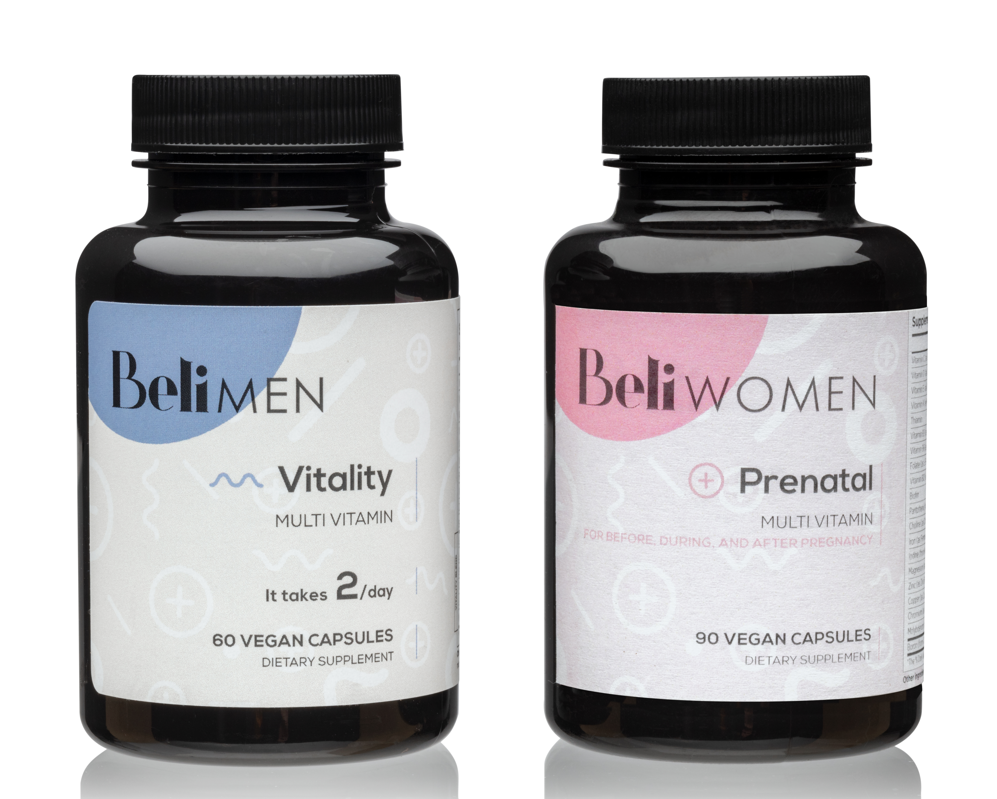
Shop the Story

Additional Resources

Every January, we’re told to "reset" with restrictive cleanses and short-term resolutions. But when it comes to fertility and pregnancy, your body doesn't need a restart, it needs a foundation.

Read More

Progesterone is the quiet but powerful hormone that can make or break fertility. It rises after ovulation to prepare your body for pregnancy and if it’s too low, conception may not happen or pregnancy may not last. From cycle spotting to miscarriage risk, here’s what low progesterone really means and when extra support might help.

Read More

Think you know fertility? This quick True or False quiz will test your knowledge with facts most people have never heard before. Grab your coffee, take the quiz, and see how many you get right.

Read More

Think prenatal vitamins are just for women? Think again.  From sperm count to embryo health, men play a bigger role in fertility than most people realize. Read now to learn what no one’s telling men about fertility, supplements, sperm quality, and how Beli is changing the game.

Read More

The long, lazy days of summer aren’t just prime vacation days. Summer could actually be an especially fertile season, which may be of interest to couples who are interested in starting a family. If you’re angling for parenthood this summer, here’s what to know about the season of fertility.

Read More

Ever wonder what’s up with perimenopause? It’s the hormonal rollercoaster before menopause, hitting 1.5 million U.S. women yearly and it’s all over TikTok in 2025. Think irregular periods, hot flashes, and questions like, “Can I still conceive?” Spoiler: Yes, with help! Inositol and Beli Preconception step in helping ease mood swings (40% better, per studies) and supporting ovulation (up 65%). Curious about the chaos and how to tame it? Unravel the mystery, from symptoms to fertility tips, right here.

Read More

The truth is, you don’t need a medical degree to become an expert in your own reproductive health. By understanding your body, making informed lifestyle choices, and taking proactive steps, you can significantly improve your chances of conception.

Read More

Most births occur between June and early November. Count back nine months, and you’ll see that places most conceptions in the fall and winter. So what’s the deal? Is it the cold weather, all the festivities, or something else driving us between the sheets? That ugly sweater is pretty cute, but you can chalk this up to reproductive seasonality. Here’s what that means, why it matters, and what to do to use it to your advantage.

Read More

Many men overlook how crucial sperm health is until it's too late. Red flag statements can signal poor sperm quality. Whether trying to conceive or maintaining health, recognizing these signs early can impact your fertility and well-being.

Read More

Fall is not just a time for pumpkin spice lattes and cooler weather; it’s also an opportunity to optimize fertility, particularly for men. Cooler temperatures naturally benefit sperm health, while Beli for Men provides the essential nutrients needed to take those benefits even further. 

Read More

Egg quantity and quality are critical aspect of our reproductive well-being. By understanding the ideal number of eggs at various ages, why egg quality and quantity matter, and how to nurture and improve egg health, we can make informed decisions about our fertility and overall health.

Read More

Miscarriage is a complex issue, and while sperm health is just one factor, it's a crucial one. By understanding the statistics and research surrounding miscarriage and sperm health, couples can take proactive steps to improve fertility outcomes. Beli Vitality for Men offers a comprehensive fertility supplement solution, supported by industry research and designed to improve sperm health. By combining Beli Vitality with healthy lifestyle choices, couples can optimize their fertility journey and increase their chances of a successful pregnancy.

Read More

While it’s true that popular hair loss meds work minor miracles on that receding hairline and back-of-the-head bald patch, it’s also true that it can come with side effects—some of them sexual. So, what does that mean in terms of male fertility? Here’s what couples should understand about the effects of popular hair-loss medications on sperm health.

Read More

The summer heat really can have a temporary effect on male fertility, so doing what you can to keep cool, especially if the goal is becoming a dad, is really important. Here are tips to keep you and the boys cool this summer.

Read More

Every January, we’re told to "reset" with restrictive cleanses and short-term resolutions. But when it comes to fertility and pregnancy, your body doesn't need a restart, it needs a foundation.

Read More

Progesterone is the quiet but powerful hormone that can make or break fertility. It rises after ovulation to prepare your body for pregnancy and if it’s too low, conception may not happen or pregnancy may not last. From cycle spotting to miscarriage risk, here’s what low progesterone really means and when extra support might help.

Read More

Think you know fertility? This quick True or False quiz will test your knowledge with facts most people have never heard before. Grab your coffee, take the quiz, and see how many you get right.

Read More

Think prenatal vitamins are just for women? Think again.  From sperm count to embryo health, men play a bigger role in fertility than most people realize. Read now to learn what no one’s telling men about fertility, supplements, sperm quality, and how Beli is changing the game.

Read More

The truth is, you don’t need a medical degree to become an expert in your own reproductive health. By understanding your body, making informed lifestyle choices, and taking proactive steps, you can significantly improve your chances of conception.

Read More

Many men overlook how crucial sperm health is until it's too late. Red flag statements can signal poor sperm quality. Whether trying to conceive or maintaining health, recognizing these signs early can impact your fertility and well-being.

Read More

Fall is not just a time for pumpkin spice lattes and cooler weather; it’s also an opportunity to optimize fertility, particularly for men. Cooler temperatures naturally benefit sperm health, while Beli for Men provides the essential nutrients needed to take those benefits even further. 

Read More

Miscarriage is a complex issue, and while sperm health is just one factor, it's a crucial one. By understanding the statistics and research surrounding miscarriage and sperm health, couples can take proactive steps to improve fertility outcomes. Beli Vitality for Men offers a comprehensive fertility supplement solution, supported by industry research and designed to improve sperm health. By combining Beli Vitality with healthy lifestyle choices, couples can optimize their fertility journey and increase their chances of a successful pregnancy.

Read More

While it’s true that popular hair loss meds work minor miracles on that receding hairline and back-of-the-head bald patch, it’s also true that it can come with side effects—some of them sexual. So, what does that mean in terms of male fertility? Here’s what couples should understand about the effects of popular hair-loss medications on sperm health.

Read More

The summer heat really can have a temporary effect on male fertility, so doing what you can to keep cool, especially if the goal is becoming a dad, is really important. Here are tips to keep you and the boys cool this summer.

Read More
×

Change Shipping Country

Cancel