The Missing Half of the Fertility Conversation: Why Male Nutrition Matters More Than You Think

When couples start thinking about having a baby, the checklist almost always starts with her. Her cycle. Her hormones. Her prenatal vitamin.

It makes sense on the surface  after all, pregnancy happens in a woman's body. But here's the number that should stop every hopeful dad in his tracks: male factor infertility contributes to roughly 40–50% of all cases where couples struggle to conceive. Half. And yet the conversation, the products, and the clinical attention remain overwhelmingly focused on one partner.

At Beli, we think it's time to change that.

Sperm Quality Is Not a Given

Here's what biology actually tells us: sperm quality isn't fixed. It's dynamic. And it's profoundly influenced by what a man puts into his body , or doesn't.

Three markers matter most when we talk about male fertility:

Sperm count — how many sperm are present in a given sample. Low counts reduce the statistical odds of fertilization.

Motility — how well sperm move. Even in high quantities, sperm that can't swim effectively won't reach the egg.

DNA integrity — perhaps the most overlooked factor. Sperm with fragmented DNA can fertilize an egg, but they dramatically increase the risk of miscarriage, failed IVF cycles, and developmental issues.

Each of these markers is directly affected by nutritional status. This isn't fringe science, it's a well-established body of peer-reviewed research, and it has profound implications for how men should be approaching preconception health.

The Nutrients That Actually Move the Needle

Let's get specific. Here are the key nutrients with the most robust evidence behind them for male reproductive health:

Zinc

Zinc is essential for testosterone production, sperm formation, and motility. It's one of the most concentrated minerals in seminal fluid  which tells you something about how much the male reproductive system depends on it. Studies have consistently shown that zinc deficiency is associated with reduced sperm count and motility.

Folate

Most people associate folate with women's preconception health and it is critical there. But men need it too. Folate plays a key role in DNA synthesis and repair. Low folate levels in men have been linked to higher rates of sperm DNA fragmentation and chromosomal abnormalities.

CoQ10 (Coenzyme Q10)

Sperm are among the most energy-demanding cells in the human body, they have to swim long distances under their own power. CoQ10 fuels that process. It's both an energy substrate and a potent antioxidant that protects sperm from oxidative damage along the way. Multiple clinical trials have shown CoQ10 supplementation improves sperm motility and concentration.

Antioxidants (Vitamin C, Vitamin E, Selenium)

Oxidative stress is one of the leading drivers of poor sperm quality. The male reproductive tract is particularly vulnerable to free radical damage, and antioxidants are the body's primary defense. A diet or supplement regimen that's rich in these nutrients has been shown to significantly reduce sperm DNA fragmentation.

Why Your Regular Multivitamin Isn't Enough

Here's a conversation that happens more than it should: a man mentions to his doctor that he and his partner are trying to conceive, and the doctor says, "Take a multivitamin." He picks up a generic men's multi at the drugstore. Done.

Not quite.

Standard multivitamins are formulated for general health maintenance, not for the specific, concentrated demands of sperm production. The doses of fertility-relevant nutrients like CoQ10, zinc, and folate are often far below what the research suggests is effective for preconception support. And many contain forms of nutrients (like folic acid vs. methylfolate) that are less bioavailable.

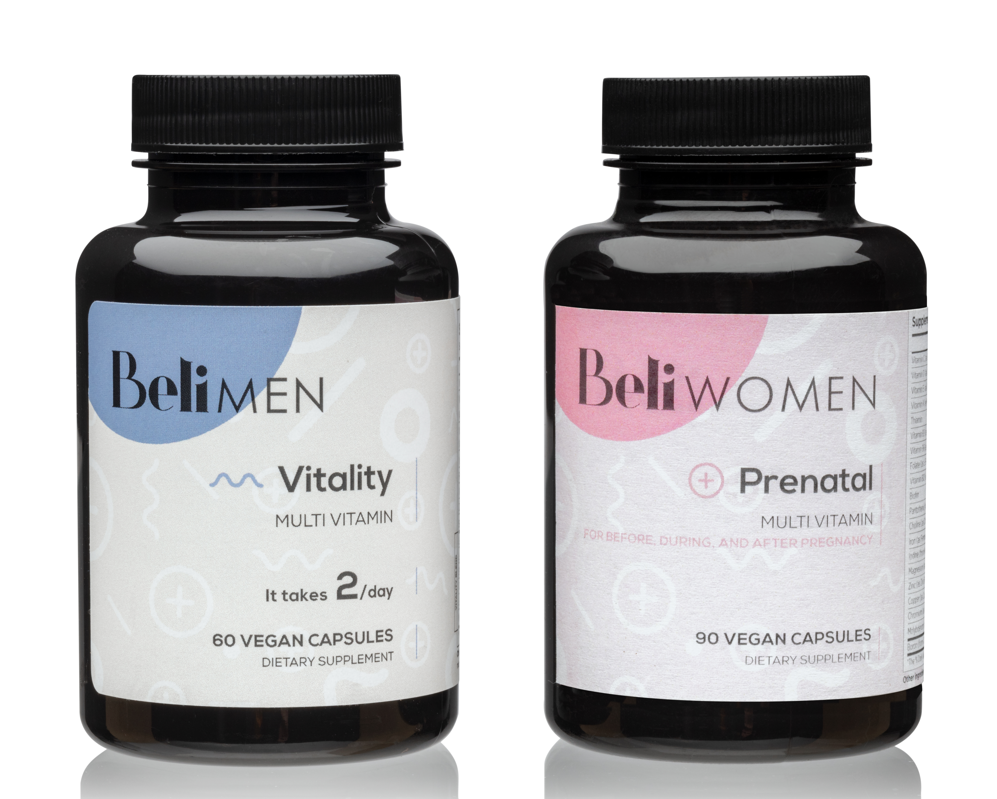
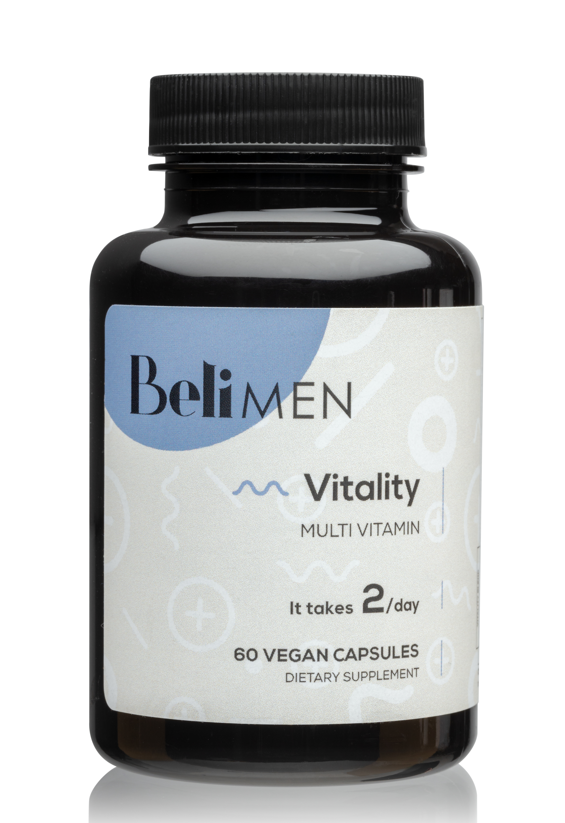
This is exactly why Beli for Men was built differently. Every ingredient was selected based on the science, at the doses the science actually supports, in the most bioavailable forms available. It's not a general wellness product. It's a preconception product designed specifically for the window of time when what you're building matters most.

The 90-Day Window You Can't Ignore

Here's something most people don't know: sperm take approximately 74 days to develop from stem cells to mature, motile cells, a process called spermatogenesis. Add in the time it takes to travel through the reproductive tract, and you're looking at roughly a 90-day cycle from the nutrients a man consumes to the sperm that are ready to fertilize an egg.

What does that mean practically? The health of the sperm that contribute to conception today reflects what a man was eating and supplementing three months ago.

This is why starting early matters. And why sustained, consistent supplementation with the right nutrients, not a last-minute scrambleis w, hat actually moves the needle.

A Better Way to Think About This: It's a Team Sport

We want to be direct about something: this isn't about putting pressure on men or shifting blame. Fertility challenges are complex, and no amount of supplementation is a guarantee. But the evidence is clear that optimizing both partners' nutritional status meaningfully supports your body and that far too many men are sitting on the sidelines of their own fertility journey without knowing it.

When both partners are actively preparing  nutritionally, physically, and emotionally  something shifts. It becomes a shared mission. The weight is distributed. And the science says the outcomes improve.

Beli was built for that version of preconception health. One where both of you show up.

Start Now

If you're thinking about starting a family, whether that's this month or in the next year, now is the right time to start building the foundation.

Beli for Men is formulated to support sperm count, motility, and DNA integrity with clinically-backed nutrients in effective doses. Pair it with Beli for Women, and you're giving your family the best possible biological start.

Your future family starts now. For both of you.

Shop the Story

Additional Resources

Every January, we’re told to "reset" with restrictive cleanses and short-term resolutions. But when it comes to fertility and pregnancy, your body doesn't need a restart, it needs a foundation.

Read More

Progesterone is the quiet but powerful hormone that can make or break fertility. It rises after ovulation to prepare your body for pregnancy and if it’s too low, conception may not happen or pregnancy may not last. From cycle spotting to miscarriage risk, here’s what low progesterone really means and when extra support might help.

Read More

Think you know fertility? This quick True or False quiz will test your knowledge with facts most people have never heard before. Grab your coffee, take the quiz, and see how many you get right.

Read More

Think prenatal vitamins are just for women? Think again.  From sperm count to embryo health, men play a bigger role in fertility than most people realize. Read now to learn what no one’s telling men about fertility, supplements, sperm quality, and how Beli is changing the game.

Read More

The long, lazy days of summer aren’t just prime vacation days. Summer could actually be an especially fertile season, which may be of interest to couples who are interested in starting a family. If you’re angling for parenthood this summer, here’s what to know about the season of fertility.

Read More

Ever wonder what’s up with perimenopause? It’s the hormonal rollercoaster before menopause, hitting 1.5 million U.S. women yearly and it’s all over TikTok in 2025. Think irregular periods, hot flashes, and questions like, “Can I still conceive?” Spoiler: Yes, with help! Inositol and Beli Preconception step in helping ease mood swings (40% better, per studies) and supporting ovulation (up 65%). Curious about the chaos and how to tame it? Unravel the mystery, from symptoms to fertility tips, right here.

Read More

The truth is, you don’t need a medical degree to become an expert in your own reproductive health. By understanding your body, making informed lifestyle choices, and taking proactive steps, you can significantly improve your chances of conception.

Read More

Most births occur between June and early November. Count back nine months, and you’ll see that places most conceptions in the fall and winter. So what’s the deal? Is it the cold weather, all the festivities, or something else driving us between the sheets? That ugly sweater is pretty cute, but you can chalk this up to reproductive seasonality. Here’s what that means, why it matters, and what to do to use it to your advantage.

Read More

Many men overlook how crucial sperm health is until it's too late. Red flag statements can signal poor sperm quality. Whether trying to conceive or maintaining health, recognizing these signs early can impact your fertility and well-being.

Read More

Fall is not just a time for pumpkin spice lattes and cooler weather; it’s also an opportunity to optimize fertility, particularly for men. Cooler temperatures naturally benefit sperm health, while Beli for Men provides the essential nutrients needed to take those benefits even further. 

Read More

Egg quantity and quality are critical aspect of our reproductive well-being. By understanding the ideal number of eggs at various ages, why egg quality and quantity matter, and how to nurture and improve egg health, we can make informed decisions about our fertility and overall health.

Read More

Miscarriage is a complex issue, and while sperm health is just one factor, it's a crucial one. By understanding the statistics and research surrounding miscarriage and sperm health, couples can take proactive steps to improve fertility outcomes. Beli Vitality for Men offers a comprehensive fertility supplement solution, supported by industry research and designed to improve sperm health. By combining Beli Vitality with healthy lifestyle choices, couples can optimize their fertility journey and increase their chances of a successful pregnancy.

Read More

While it’s true that popular hair loss meds work minor miracles on that receding hairline and back-of-the-head bald patch, it’s also true that it can come with side effects—some of them sexual. So, what does that mean in terms of male fertility? Here’s what couples should understand about the effects of popular hair-loss medications on sperm health.

Read More

Every January, we’re told to "reset" with restrictive cleanses and short-term resolutions. But when it comes to fertility and pregnancy, your body doesn't need a restart, it needs a foundation.

Read More

Progesterone is the quiet but powerful hormone that can make or break fertility. It rises after ovulation to prepare your body for pregnancy and if it’s too low, conception may not happen or pregnancy may not last. From cycle spotting to miscarriage risk, here’s what low progesterone really means and when extra support might help.

Read More

Think you know fertility? This quick True or False quiz will test your knowledge with facts most people have never heard before. Grab your coffee, take the quiz, and see how many you get right.

Read More

Think prenatal vitamins are just for women? Think again.  From sperm count to embryo health, men play a bigger role in fertility than most people realize. Read now to learn what no one’s telling men about fertility, supplements, sperm quality, and how Beli is changing the game.

Read More

The truth is, you don’t need a medical degree to become an expert in your own reproductive health. By understanding your body, making informed lifestyle choices, and taking proactive steps, you can significantly improve your chances of conception.

Read More

Many men overlook how crucial sperm health is until it's too late. Red flag statements can signal poor sperm quality. Whether trying to conceive or maintaining health, recognizing these signs early can impact your fertility and well-being.

Read More

Fall is not just a time for pumpkin spice lattes and cooler weather; it’s also an opportunity to optimize fertility, particularly for men. Cooler temperatures naturally benefit sperm health, while Beli for Men provides the essential nutrients needed to take those benefits even further. 

Read More

Miscarriage is a complex issue, and while sperm health is just one factor, it's a crucial one. By understanding the statistics and research surrounding miscarriage and sperm health, couples can take proactive steps to improve fertility outcomes. Beli Vitality for Men offers a comprehensive fertility supplement solution, supported by industry research and designed to improve sperm health. By combining Beli Vitality with healthy lifestyle choices, couples can optimize their fertility journey and increase their chances of a successful pregnancy.

Read More

While it’s true that popular hair loss meds work minor miracles on that receding hairline and back-of-the-head bald patch, it’s also true that it can come with side effects—some of them sexual. So, what does that mean in terms of male fertility? Here’s what couples should understand about the effects of popular hair-loss medications on sperm health.

Read More
×

Change Shipping Country

Cancel