What elite athletes can teach every future dad about testosterone, fertility, and building a championship team.
Think this article isn't for you? Think again.
If you're trying to have a baby now, planning to start a family someday, or you're the partner who's always forwarding fertility articles to your husband, this one's worth five minutes.
Here's what you'll learn:
✅ Do elite athletes actually have healthier sperm?
✅ Can you naturally support healthy testosterone?
✅ The surprising 90-day "training camp" every man has before conception.
✅ The everyday habits that may help support sperm health.
✅ Why preparing for fatherhood has more in common with preparing for the World Cup than you think.
Ready?
Let's kick off.
The FIFA World Cup is the biggest sporting event in the world.
Millions of fans.
The best players on the planet.
Years of preparation for just a handful of games.
Watching these athletes got us wondering...
Do World Cup players have better sperm?
It sounds like a ridiculous question.
But it's actually a pretty interesting one.
Scientists aren't testing every player before kickoff, so we can't say the world's best soccer players are automatically more fertile than everyone else.
What we do know is this...
Many of the things that help athletes perform at their best are the exact same things that support healthy sperm production.
That means even if you'll never play in front of 80,000 screaming fans, you can still borrow some of their playbook.
Lesson #1: Champions Don't Wait Until Game Day
Nobody qualifies for the World Cup by training for one weekend.
Players spend months, and often years, getting ready.
Your sperm works the same way.
Most people don't realize that it takes about 70 to 90 days for a sperm cell to fully develop.
So if you're hoping to have a baby this fall, your body is already building that team today.
Think of these next three months as your fertility training camp.
Lesson #2: A Great Team Needs Great Fuel
Professional athletes don't leave nutrition up to chance.
Every meal has a purpose.
Your body needs the same kind of support to build healthy sperm.
That starts with eating plenty of fruits, vegetables, healthy fats, lean protein, and whole grains.
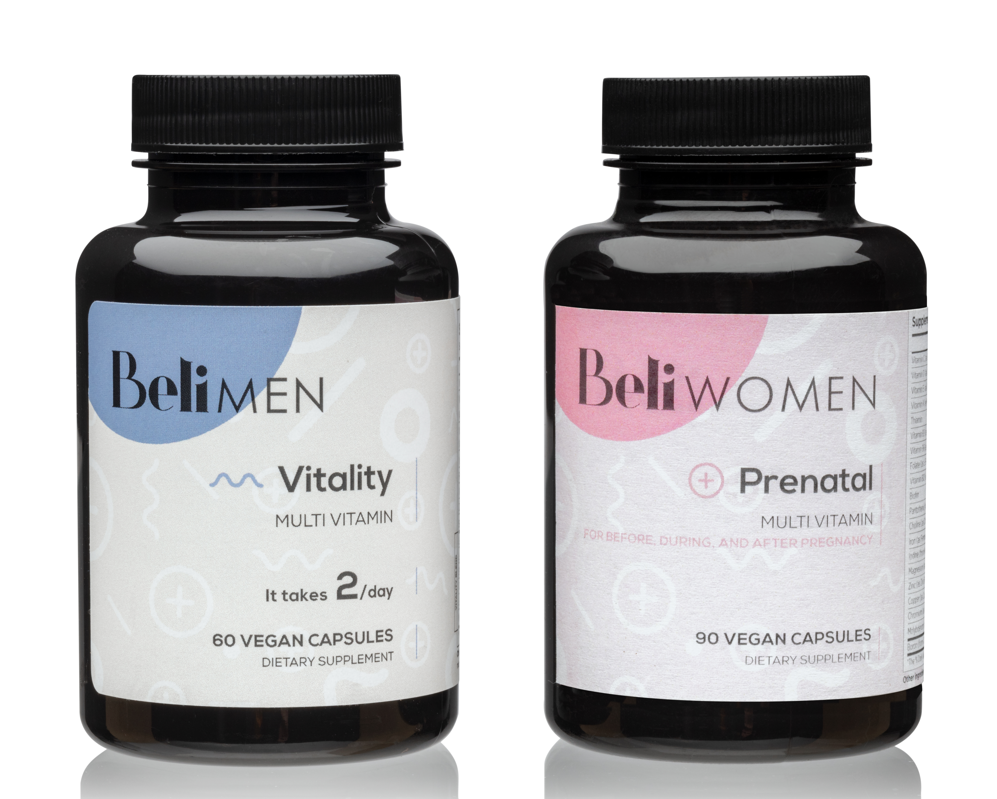
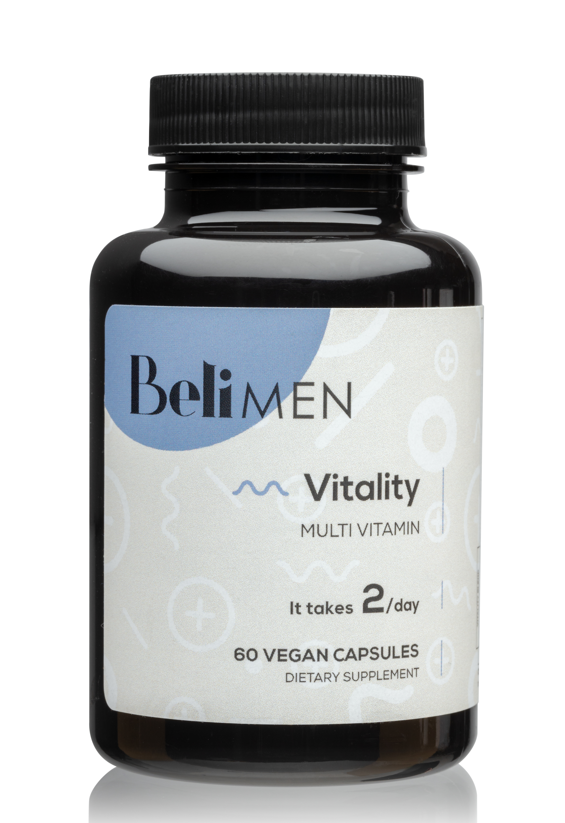
But just like athletes sometimes use sports nutrition to help fill in the gaps, many men also choose supplements to help support reproductive health.
Some of the biggest players on the fertility team include:
🥇 Zinc, which supports normal testosterone levels and male reproductive health.
🥇 Selenium, which helps protect sperm from oxidative stress.
🥇 CoQ10, which helps produce energy. That's important because sperm need energy to swim.
🥇 L-carnitine, which helps support healthy sperm movement.
🥇 Folate, which plays an important role in making new cells.
🥇 Omega-3s, which help support healthy cell membranes.
🥇 Vitamins C and E, antioxidants that help protect cells from everyday oxidative stress.
Supplements aren't a magic shortcut.
Think of them as adding a great strength coach to an already good team.
Lesson #3: Testosterone Isn't Just About Being "More Manly"
Here's something a lot of people get wrong.
They think elite athletes walk around with sky-high testosterone all the time.
That's not how it works.
Testosterone changes all the time.
Research shows it can go up before competition and after a big win, then come back down afterward.
Your daily habits matter more than most people realize.
Better sleep.
Regular exercise.
Managing stress.
Eating well.
Maintaining a healthy weight.
Those are the kinds of things that help support healthy testosterone over time.
One important note.
If you're trying to conceive, don't assume testosterone therapy will help fertility. Some testosterone treatments can actually reduce sperm production. If you're considering it, talk with a healthcare provider first.
Lesson #4: Recovery Is Part of the Game
Have you ever watched what players do after a match?
Ice baths.
Stretching.
Protein shakes.
Massage.
Sleep.
Recovery isn't a reward.
It's part of the job.
The same goes for fertility.
Much of your body's repair work, including hormone regulation, happens while you sleep.
Skipping sleep doesn't just leave you tired tomorrow.
Over time, it can affect the systems your body relies on to stay healthy.
Lesson #5: Your Team Is Always Changing
Soccer coaches rotate players to keep the team fresh.
Your body does something even cooler.
It makes millions of new sperm every day.
That means you're constantly building a new roster.
Healthy changes you make today can help shape the team you'll have a few months from now.
Lesson #6: Don't Let Heat Beat Your Team
Ever notice how quickly players try to cool off during a game?
Heat affects performance.
It can affect sperm, too.
Your testicles sit outside your body because sperm are made best at a temperature a few degrees cooler than the rest of your body.
That's why experts often recommend not spending long periods in hot tubs, saunas, or with a laptop sitting directly on your lap if you're trying to conceive.
Lesson #7: Every Great Team Has Coaches
Even the best soccer players in the world don't do it alone.
They have trainers.
Nutritionists.
Doctors.
Recovery coaches.
Your fertility deserves the same kind of support.
For some men, that means improving sleep.
For others, it means eating better, exercising more, cutting back on alcohol, or adding targeted nutrients that support reproductive health.
Small improvements add up.
Could Your Sperm Make the World Cup?
Let's find out.
Qualifying Round
✔ Eating a balanced diet
✔ Exercising regularly
✔ Sleeping 7 to 9 hours
✔ Managing stress
✔ Getting key fertility nutrients
Group Stage
⚽ Strong count
⚽ Healthy movement
⚽ Good shape
⚽ Healthy DNA
Knockout Round
Can they make the journey?
The Final
Fertilization.
Final Whistle
Every World Cup team dreams of lifting a trophy.
They don't get there by accident.
They prepare.
They recover.
They fuel their bodies.
They build the best team possible before the tournament ever begins.
Preparing for fatherhood works the same way.
You don't have to be a professional athlete.
You just have to start before kickoff.
Because the biggest win of your life probably won't happen in a stadium.
It'll happen when you hear the words:
"We're pregnant."