RFK Just Said Teen Boys Have Half the Sperm Count of a 65-Year-Old Man. Let's Talk About That.

Okay. We need to talk about what just happened at the White House.

Two weeks ago, RFK Jr. stood at a podium promoting the new moms.gov portal and announced, to everyone in attendance including the president, that today's teenage boys have "50 percent of the sperm count, 50 percent of the testosterone as a 65-year-old man."

The internet did not know what to do with this information.

He declared America is in the midst of a "fertility crisis" and described female reproductive health as being compromised by a "toxic soup" of environmental factors. The memes were immediate. The headlines were wild. And the comment sections were... a lot.

But here's the thing: underneath the very strange delivery and the very uncomfortable visual of RFK discussing teenage sperm at a White House event, there's a real conversation that couples trying to conceive actually need to have. And it's one that doesn't get nearly enough airtime.

We started Beli because we saw this gap years ago. Male fertility has been the silent half of the equation for too long, and we built a supplement brand around the radical idea that both partners matter, from the very beginning. So when this story hit the front page, we paid attention.

Here's what the science actually says.

Did he make that up?

Kind of, but also kind of not.

It was unclear exactly where Kennedy was getting his specific numbers. Neither of the major meta-analyses that study sperm count singled out statistics specific to adolescents.

But the broader concern he's pointing at has real scientific backing. A widely reported 2017 meta-analysis found that sperm counts in western countries declined by almost 60 percent since 1973, and a 2023 update by the same authors extended that finding to South and Central America, Africa, and Asia.

The lead researcher on that study called it "a canary in a coal mine," warning that the decline represents "a serious problem on our hands that, if not mitigated, could threaten humankind's survival."

Dramatic? Yes. Completely fabricated? No.

To be fair, there's a counterpoint. A Cleveland Clinic systematic review of 58 studies representing nearly 12,000 American men found that sperm counts are largely stable and haven't changed significantly, with their lead researcher saying there's no cause for panic for the average man.

So the science is genuinely contested. What's not contested: male fertility is a massively underexamined, underappreciated, underfunded piece of the fertility puzzle. And RFK, as chaotic as his delivery was, accidentally put it on the front page.

The part nobody's saying out loud

Here's what actually matters for couples trying to conceive right now, regardless of who's right in the great sperm count debate.

At least one third of couples evaluated at fertility centers have some male component to their challenges. One third. And yet the default, still in 2026, is to start with the woman. Her hormones, her cycles, her interventions, her emotional labor.

As one fertility specialist put it: women have regular cycles, so they have some sense of their fertility potential, whereas men don't have that feedback. Which means most men are flying blind, never thinking about their fertility until there's already a problem.

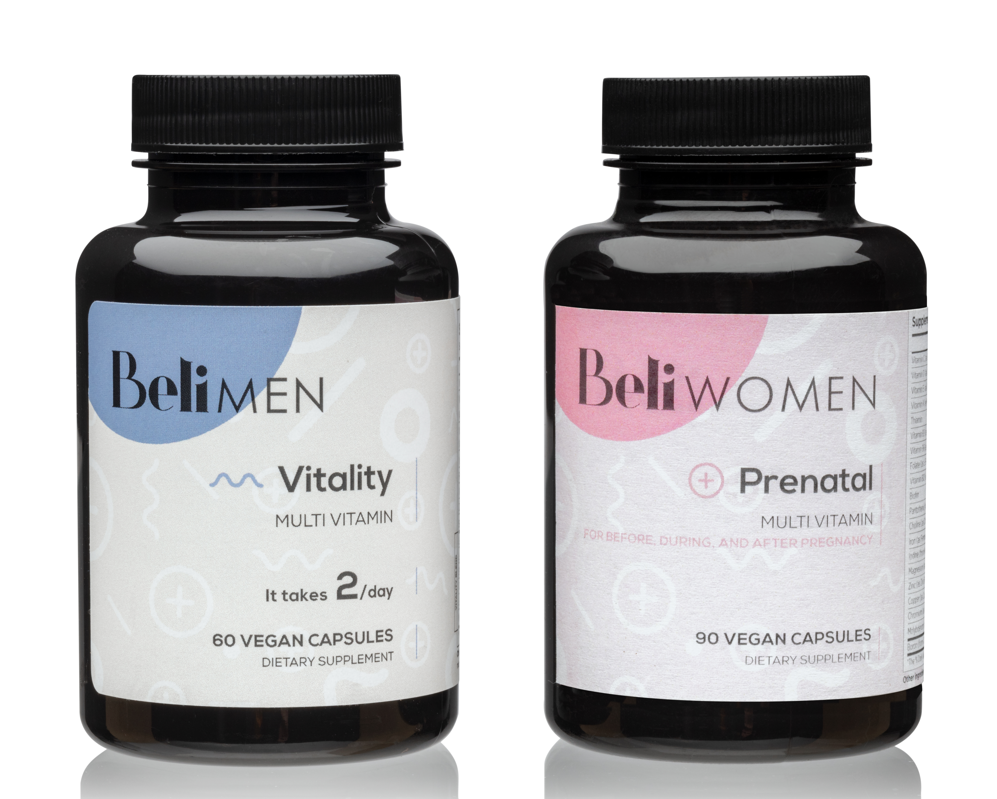
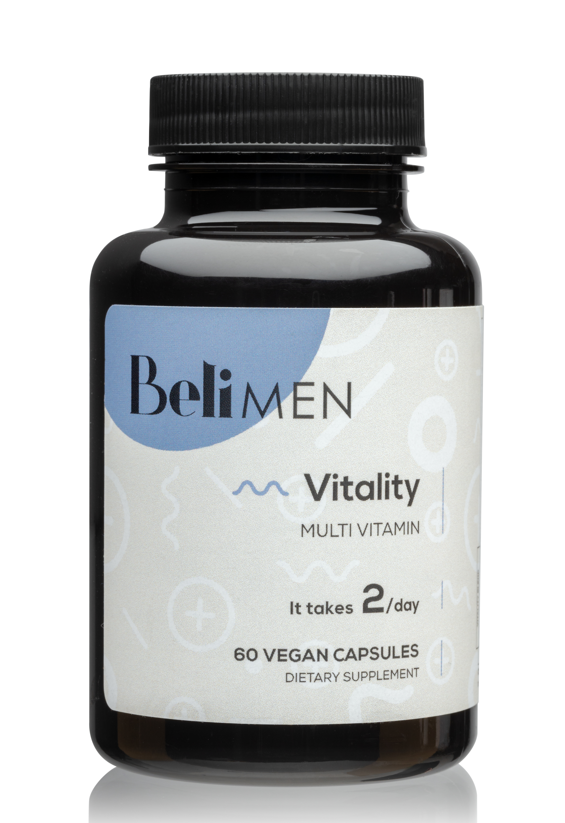
That has to change. And honestly, it's part of why Beli exists. We never believed fertility was just a women's issue. We formulated a supplement specifically for him, specifically because the research on what men need in the months before conception is real, it's actionable, and it's been almost entirely ignored by the supplement industry.

What's actually hurting male fertility (the non-conspiracy version)

RFK's "toxic soup" framing gets mocked, and some of it deserves the mockery. But the underlying science on environmental factors is real. Researchers point to:

Endocrine disruptors. Chemicals found in plastics and pesticides that interfere with hormonal function are among the most studied contributors to declining sperm quality. BPA, phthalates, pesticide residue. They're everywhere, and they affect testosterone and sperm development.

Heat. Sperm production is exquisitely temperature-sensitive. Laptops, hot tubs, and even tight underwear can suppress sperm count. This one is genuinely low-hanging fruit.

Diet and metabolic health. Sperm quality tracks closely with overall health. Processed food, chronic inflammation, and oxidative stress are all documented factors.

Nutrient deficiencies. Zinc, folate, CoQ10, selenium, vitamin C. These are not optional extras. They're the building blocks of healthy sperm, and most men are chronically under-supported in all of them. In fact, research consistently shows that targeted micronutrient support improves sperm count, motility, and morphology. Which is exactly what Beli for Him was formulated to do.

What you can actually do about it

You can't opt out of the modern environment entirely. But you have more control than you think, and the window to act is now.

Sperm takes about 90 days to fully develop. That means the nutritional choices he makes today directly determine the sperm quality that matters when you're actually trying. Three months of consistent support is the runway his body needs.

The same is true for her. Egg quality is shaped over the same 90-day window. The follicle that becomes your egg today started developing three months ago. Which means starting early, together, is one of the highest-leverage things a couple can do before they ever start trying.

That's the idea behind the Beli Couples Bundle. One decision, for both of you, with formulations built specifically for what each partner needs in the months before conception.

The bottom line

RFK's White House moment was a lot. The viral clip will fade like every other internet obsession. But the question he raised, why are we not taking male fertility seriously, deserves an actual answer.

You don't have to agree with his politics, his methods, or his very particular choice of venue to acknowledge that couples trying to conceive are walking into this with incomplete information. Half the equation has been ignored for too long.

The good news is that the things within your control, your nutrition, your lifestyle, your foundation, are also the things that move the needle most. You don't need a news cycle to take action. You just need to start.

Both of you. Together. Before you think you need to.


Shop the Beli Couples Bundle and give both of you the foundation you need from day one.

Shop the Story

Additional Resources

Every January, we’re told to "reset" with restrictive cleanses and short-term resolutions. But when it comes to fertility and pregnancy, your body doesn't need a restart, it needs a foundation.

Read More

Progesterone is the quiet but powerful hormone that can make or break fertility. It rises after ovulation to prepare your body for pregnancy and if it’s too low, conception may not happen or pregnancy may not last. From cycle spotting to miscarriage risk, here’s what low progesterone really means and when extra support might help.

Read More

Think you know fertility? This quick True or False quiz will test your knowledge with facts most people have never heard before. Grab your coffee, take the quiz, and see how many you get right.

Read More

Think prenatal vitamins are just for women? Think again.  From sperm count to embryo health, men play a bigger role in fertility than most people realize. Read now to learn what no one’s telling men about fertility, supplements, sperm quality, and how Beli is changing the game.

Read More

The long, lazy days of summer aren’t just prime vacation days. Summer could actually be an especially fertile season, which may be of interest to couples who are interested in starting a family. If you’re angling for parenthood this summer, here’s what to know about the season of fertility.

Read More

Ever wonder what’s up with perimenopause? It’s the hormonal rollercoaster before menopause, hitting 1.5 million U.S. women yearly and it’s all over TikTok in 2025. Think irregular periods, hot flashes, and questions like, “Can I still conceive?” Spoiler: Yes, with help! Inositol and Beli Preconception step in helping ease mood swings (40% better, per studies) and supporting ovulation (up 65%). Curious about the chaos and how to tame it? Unravel the mystery, from symptoms to fertility tips, right here.

Read More

The truth is, you don’t need a medical degree to become an expert in your own reproductive health. By understanding your body, making informed lifestyle choices, and taking proactive steps, you can significantly improve your chances of conception.

Read More

Most births occur between June and early November. Count back nine months, and you’ll see that places most conceptions in the fall and winter. So what’s the deal? Is it the cold weather, all the festivities, or something else driving us between the sheets? That ugly sweater is pretty cute, but you can chalk this up to reproductive seasonality. Here’s what that means, why it matters, and what to do to use it to your advantage.

Read More

Many men overlook how crucial sperm health is until it's too late. Red flag statements can signal poor sperm quality. Whether trying to conceive or maintaining health, recognizing these signs early can impact your fertility and well-being.

Read More

Fall is not just a time for pumpkin spice lattes and cooler weather; it’s also an opportunity to optimize fertility, particularly for men. Cooler temperatures naturally benefit sperm health, while Beli for Men provides the essential nutrients needed to take those benefits even further. 

Read More

Egg quantity and quality are critical aspect of our reproductive well-being. By understanding the ideal number of eggs at various ages, why egg quality and quantity matter, and how to nurture and improve egg health, we can make informed decisions about our fertility and overall health.

Read More

Miscarriage is a complex issue, and while sperm health is just one factor, it's a crucial one. By understanding the statistics and research surrounding miscarriage and sperm health, couples can take proactive steps to improve fertility outcomes. Beli Vitality for Men offers a comprehensive fertility supplement solution, supported by industry research and designed to improve sperm health. By combining Beli Vitality with healthy lifestyle choices, couples can optimize their fertility journey and increase their chances of a successful pregnancy.

Read More

While it’s true that popular hair loss meds work minor miracles on that receding hairline and back-of-the-head bald patch, it’s also true that it can come with side effects—some of them sexual. So, what does that mean in terms of male fertility? Here’s what couples should understand about the effects of popular hair-loss medications on sperm health.

Read More

Every January, we’re told to "reset" with restrictive cleanses and short-term resolutions. But when it comes to fertility and pregnancy, your body doesn't need a restart, it needs a foundation.

Read More

Progesterone is the quiet but powerful hormone that can make or break fertility. It rises after ovulation to prepare your body for pregnancy and if it’s too low, conception may not happen or pregnancy may not last. From cycle spotting to miscarriage risk, here’s what low progesterone really means and when extra support might help.

Read More

Think you know fertility? This quick True or False quiz will test your knowledge with facts most people have never heard before. Grab your coffee, take the quiz, and see how many you get right.

Read More

Think prenatal vitamins are just for women? Think again.  From sperm count to embryo health, men play a bigger role in fertility than most people realize. Read now to learn what no one’s telling men about fertility, supplements, sperm quality, and how Beli is changing the game.

Read More

The truth is, you don’t need a medical degree to become an expert in your own reproductive health. By understanding your body, making informed lifestyle choices, and taking proactive steps, you can significantly improve your chances of conception.

Read More

Many men overlook how crucial sperm health is until it's too late. Red flag statements can signal poor sperm quality. Whether trying to conceive or maintaining health, recognizing these signs early can impact your fertility and well-being.

Read More

Fall is not just a time for pumpkin spice lattes and cooler weather; it’s also an opportunity to optimize fertility, particularly for men. Cooler temperatures naturally benefit sperm health, while Beli for Men provides the essential nutrients needed to take those benefits even further. 

Read More

Miscarriage is a complex issue, and while sperm health is just one factor, it's a crucial one. By understanding the statistics and research surrounding miscarriage and sperm health, couples can take proactive steps to improve fertility outcomes. Beli Vitality for Men offers a comprehensive fertility supplement solution, supported by industry research and designed to improve sperm health. By combining Beli Vitality with healthy lifestyle choices, couples can optimize their fertility journey and increase their chances of a successful pregnancy.

Read More

While it’s true that popular hair loss meds work minor miracles on that receding hairline and back-of-the-head bald patch, it’s also true that it can come with side effects—some of them sexual. So, what does that mean in terms of male fertility? Here’s what couples should understand about the effects of popular hair-loss medications on sperm health.

Read More
×

Change Shipping Country

Cancel